Nature Touring in Alaska
Mark Garland leads Eco Tours around the world throughout the year. He has a yearly trip to Alaska, and I interviewed him about this particular tour.
You spent 3 weeks this past June in many parts of the state of Alaska. What is it that you were doing?
I was leading a nature tour for the New Jersey Audubon Society. We traveled around, looked for birds, mammals, wildflowers, butterflies, talked about ecology, geology, and conservation ... basically we immersed ourselves in nature study.
So where did you go?
We started in Fairbanks, went to Denali National Park, then down to Wasilla, through Anchorage and to Homer and Seward on the Kenai Peninsula, then headed east on the Glenn Highway and north along the Richardson Highway back to Fairbanks. Next came an optional extension to our trip, and for that we flew north to Barrow.
Why is Alaska such a good birding spot?
There are northern birds that are rarely found south of Alaska and Canada, and also huge numbers of birds migrate north to the boreal forest and tundra regions of Alaska, where they nest. Our June trip was timed for the arrival and beginning of the breeding season for most of those migrants.
Any new birds for your personal life list on this trip?
Nothing new for me this trip, but lots of great looks at birds I don't get to see very often. And many new birds for our travelers, including my co-leader!
What other wildlife did you encounter on this trip? Any surprises?
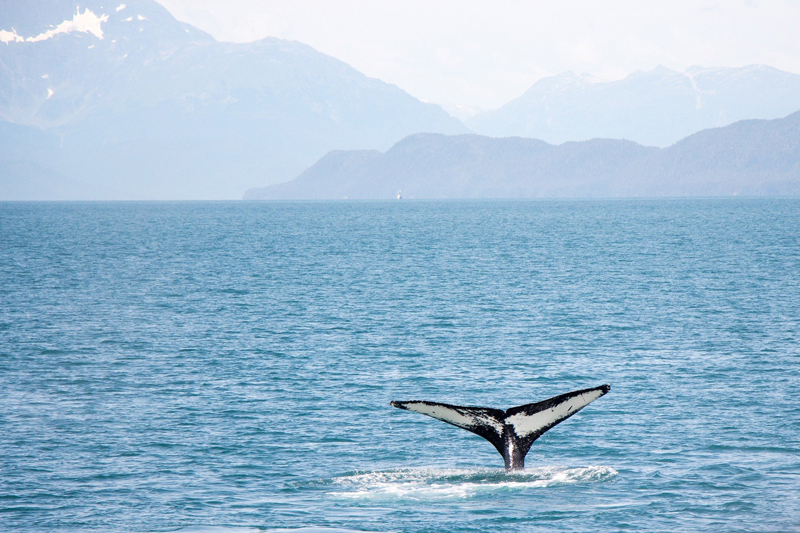
Denali National Park is great for big mammals -- we saw grizzly bear, Dall sheep, moose, caribou, plus smaller creatures. We did boat trips out of Homer and Seward where we saw Sea Otters and Harbor Seals. The full day boat trip through Kenai Fjords National Park, out of Seward, also gave us great views of Steller's Sea Lions, Orcas, and Humpback Whales. And while it seems insignificant, outside of SE Alaska the state is home to only one amphibian, the Wood Frog, and we found one by the Knob Lakes, off the Glenn Highway. No real surprises, though we did find more Northern Hawk Owls than I've seen on previous trips.
What types of places do you overnight in? Hotel, motel, cabin, tent?
A mix of lodges and motels. I try to choose accommodations that are clean and comfortable and which provide something extra, something memorable. In some spots this means small lodges where the hosts offer great hospitality. In Homer we choose waterfront rooms down at the end of the Homer Spit. In all cases we have a solid roof over our head and private bathrooms.
In a nutshell, someone else makes the reservations, finds all the hotspots, arranges transportation to those hotspots, finds the neatest places to stay, and teaches you all about Alaska’s environment. What more could you ask for? Find out more about Mark and all of his trips at his website, mgnature.com
You spent 3 weeks this past June in many parts of the state of Alaska. What is it that you were doing?
I was leading a nature tour for the New Jersey Audubon Society. We traveled around, looked for birds, mammals, wildflowers, butterflies, talked about ecology, geology, and conservation ... basically we immersed ourselves in nature study.
So where did you go?
We started in Fairbanks, went to Denali National Park, then down to Wasilla, through Anchorage and to Homer and Seward on the Kenai Peninsula, then headed east on the Glenn Highway and north along the Richardson Highway back to Fairbanks. Next came an optional extension to our trip, and for that we flew north to Barrow.
Why is Alaska such a good birding spot?
There are northern birds that are rarely found south of Alaska and Canada, and also huge numbers of birds migrate north to the boreal forest and tundra regions of Alaska, where they nest. Our June trip was timed for the arrival and beginning of the breeding season for most of those migrants.
Any new birds for your personal life list on this trip?
Nothing new for me this trip, but lots of great looks at birds I don't get to see very often. And many new birds for our travelers, including my co-leader!
What other wildlife did you encounter on this trip? Any surprises?
Denali National Park is great for big mammals -- we saw grizzly bear, Dall sheep, moose, caribou, plus smaller creatures. We did boat trips out of Homer and Seward where we saw Sea Otters and Harbor Seals. The full day boat trip through Kenai Fjords National Park, out of Seward, also gave us great views of Steller's Sea Lions, Orcas, and Humpback Whales. And while it seems insignificant, outside of SE Alaska the state is home to only one amphibian, the Wood Frog, and we found one by the Knob Lakes, off the Glenn Highway. No real surprises, though we did find more Northern Hawk Owls than I've seen on previous trips.
What types of places do you overnight in? Hotel, motel, cabin, tent?
A mix of lodges and motels. I try to choose accommodations that are clean and comfortable and which provide something extra, something memorable. In some spots this means small lodges where the hosts offer great hospitality. In Homer we choose waterfront rooms down at the end of the Homer Spit. In all cases we have a solid roof over our head and private bathrooms.
In a nutshell, someone else makes the reservations, finds all the hotspots, arranges transportation to those hotspots, finds the neatest places to stay, and teaches you all about Alaska’s environment. What more could you ask for? Find out more about Mark and all of his trips at his website, mgnature.com

Related Articles
Editor's Picks Articles
Top Ten Articles
Previous Features
Site Map
Content copyright © 2023 by Dawn Engler. All rights reserved.
This content was written by Dawn Engler. If you wish to use this content in any manner, you need written permission. Contact Deb Frost for details.