Individual Worth
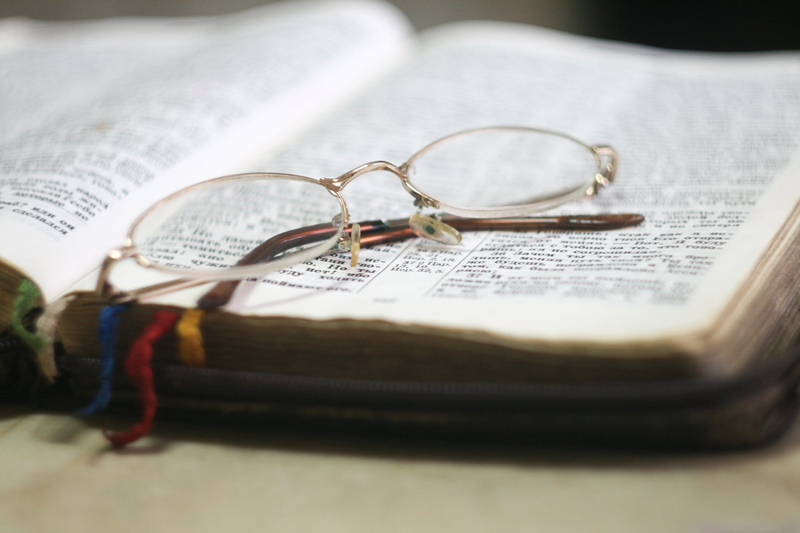
I was asked to give a talk in Sacrament Meeting today on Individual worth. I thought I would share an excerpt from that talk with you.
Several years ago, I wrote a poem titled, “The Conversion”. It was named such because each of us needs to be converted to who we really are. It isn’t something that can be done for you, but it is an individual journey that we each must take.
The Conversion
By Brenda Emmett
I am...
I am nothing special.
I am just another face.
Inside I am in a world of darkness.
I have no hope.
No hope of a light to brighten my soul.
The stillness of the night haunts me.
Just a whisper beckons unto me.
To come closer...closer.
Slowly, I crawl to answer.
Suddenly, I am falling---
Faster and faster into nothing.
All around the darkness consumes me,
Digesting yet another victim.
Above me there is a flash of light,
Like the twinkling of a star.
I see a face.
I find a friend.
The light spreads---
Filling me with its warmth.
Out of the light a firm but gentle hand reaches out---
Protecting, directing, nurturing, teaching.
And suddenly...
I blossom.
I blossom with a new-found knowledge.
I am a child of God.
I am unique.
I am forever.
I am.
One of my favorite movies is The Lion King. There is a lot of great stuff in that movie and there is some great symbolism in it that parallels with the gospel. If you haven’t seen it lately, then you need to watch it.
To refresh your memory, Simba is a young lion and his father, Mufasa is the king. Now Simba has an Uncle named Scar, who is jealous of his Brother and plans to kill both his brother, Mufasa and Simba, who is the heir to the throne, so that he, Scar, can take over the kingdom.
Well he takes Simba down to the canyon to wait for Mufasa for some “father-son” time and leaves him there. Meanwhile he has arranged for a stampede to go through that canyon. Mufasa of course runs to the canyon to save his son. When he tries to get himself out of danger, Scar pushes him back down the cliff and Mufasa is killed in the stampede.
Scar then tells Simba that he, Simba, is responsible for his own father’s death and tells him to run away and never come back. When Simba begins to run, he tells the Hyenas to kill him. Simba manages to escape and is later found by a warthog named Pumba and a Meerkat named Timon. They take him in and Simba grows up away from his home with his new-found friends.
Then a couple of things happen around the same period of time. A monkey named Rafiki discovers that Simba is alive and determines that it is time for him to return home. Around that same time, Nala, one of the Lionesses, and Simba’s best friend finds him as she is out looking for food. She begs him to return and take over the kingdom from his uncle, Scar, who has basically run the kingdom into the ground. Simba repeatedly tells her no, he can’t go back.
It is after this that one of the most profound parts of the movie takes place. Simba is all alone and speaks out loud to his father, “You said you’d always be there for me, but you’re not, and it’s my own fault.” He hangs his head and is feeling despondent. This is when Rafiki comes along.
Simba asks, “Who are you?” To which Rafiki answers, “The question is, WHO are you?”
And Simba says, “I thought I knew, now I’m not so sure.”
And Rafiki says, “Well, I know who you are…Shhhh….come here…it’s a secret….Asanti Sauna, Squashed Banana and he keeps singing his little song.
Simba gets annoyed and says, “Enough already! What is that supposed to mean anyway?”
“It means you’re a baboon and I’m not.” And then he laughs.
Simba then says, “I think you’re a little confused.”
“Wrong. I’m not the one who’s confused. You don’t even know WHO you are.”
“Oh, and I suppose YOU know?”
And then to Simba’s amazement, Rafiki says, “Sure do…you’re Mufasa’s boy…Bye.” And he runs off.
Simba says, “Hey wait!” and runs after him. When he catches up to him, he says, “You knew my father?”
“Correction…I KNOW your father.”
Simba says, “I hate to tell you this, but he died a long time ago.”
“Nope, wrong again. He’s alive and I’ll show him to you. You follow old Rafiki, he knows the way. C’mon.”
He then leads him through the jungle, up and over the trees, through the vines and makes his way through the crowded path. Finally he says, “Stop! Shhhhhh…..” And he parts the grass and whispers, “Look down there….”
Simba goes through the grass, down the path and peers over the edge to see a reflection of himself in the water. He sighs and says, “That’s not my father. It’s just my reflection.”
Rafiki responds while pointing…”No….look harder….”
Simba looks again. Rafiki says, “You see…he lives in YOU.”
Then Simba has an experience where he sees his father…
“Simba, you have forgotten me….”
“No…how could I?”
And then Mufasa says one of the most profound things in the entire movie…
“You have forgotten who you are and so forgotten me. Look inside yourself, Simba. You are MORE than what you have become. Remember who you are. You are my son. Remember who you are.” And he disappears…
Does that sound like something our Father in Heaven might say to us? “You have forgotten who you are, and so forgotten me. Look inside yourself, You are MORE than what you have become. Remember who you are. You are my son. Or you are my daughter. You are my child. Remember who you are.” Would that be something He might say?
I want to share a little experience with you that happened in our family recently. If you don’t think that the things that our kids learn in Primary can have an affect on both the kids and the entire family, then think again. There was one Sunday that my son was taught that we should all be very careful what types of movies we bring into our homes. He was taught that we should NEVER have any Rated-R movies, and that we should NEVER watch them. That’s a good thing, right?
Well, he came home and began to pull out all of our videos and DVD’s. When we asked what he was doing, he replied, “I’m looking to see if we have any Rated R movies.” Well, we assured him that we didn’t, but he kept looking at every one, just to be “safe”.
It soon spread to the video store. We couldn’t look for movies, without our son telling us which ones we shouldn’t watch. He religiously checked every movie we rented and brought into our home. He still does.
Well, I am sure that you are aware that the movie ratings have once again evolved. Now they tell you WHY a movie is rated the way that it is, so that you can be aware of any objectionable content. And now he reads that…every single time.
A couple of weeks ago, we were all over at my parent’s house and we were going to watch a movie. It was an older movie that we had all seen before, and we weren’t really worried about the content, because we had already seen the movie and didn’t remember anything bad about it. So there we were, my parents, my sister, and the three of us, all ready to watch this movie. As it came up, it stated that it was PG-13 and then gave the reasons for it. None of us paid any attention to it, except my son, who immediately declared that he did not want to watch this movie. When we asked him why, he kept emphatically declaring he didn’t want to watch it. When we pressed him further, he declared firmly, “I do not want to watch it. It said it has something bad and that might scar me for life. I do not want to be scarred for life.”
Do you think that took some courage to stand up to not only his mom and dad, but his aunt and his grandma and grandpa? Do you think it took courage to say, “Hey, this isn’t good for me. I don’t want to scar my spirit?” Do you think he knows who he is? Did he say, “I am a son of God. That movie might hurt my spirit and I don’t do those things. I am worth more than that…?” I hope he always remembers who he is and continues to be a good example to our family.
Individual worth is simply knowing you are a child of God and then acting accordingly. Individual Worth is knowing that you are worth the price the Savior paid for each of us on the cross and in the Garden of Gethsemane. Individual Worth is accepting the gift of the Atonement into our lives. It is telling the Savior that we are indeed worth the price he paid for each of us. He thinks we are worth it, or He wouldn’t have done it. I hope that we can all remember who we truly are, sons and daughters of a loving Heavenly Father and Mother.
Several years ago, I wrote a poem titled, “The Conversion”. It was named such because each of us needs to be converted to who we really are. It isn’t something that can be done for you, but it is an individual journey that we each must take.
The Conversion
By Brenda Emmett
I am...
I am nothing special.
I am just another face.
Inside I am in a world of darkness.
I have no hope.
No hope of a light to brighten my soul.
The stillness of the night haunts me.
Just a whisper beckons unto me.
To come closer...closer.
Slowly, I crawl to answer.
Suddenly, I am falling---
Faster and faster into nothing.
All around the darkness consumes me,
Digesting yet another victim.
Above me there is a flash of light,
Like the twinkling of a star.
I see a face.
I find a friend.
The light spreads---
Filling me with its warmth.
Out of the light a firm but gentle hand reaches out---
Protecting, directing, nurturing, teaching.
And suddenly...
I blossom.
I blossom with a new-found knowledge.
I am a child of God.
I am unique.
I am forever.
I am.
One of my favorite movies is The Lion King. There is a lot of great stuff in that movie and there is some great symbolism in it that parallels with the gospel. If you haven’t seen it lately, then you need to watch it.
To refresh your memory, Simba is a young lion and his father, Mufasa is the king. Now Simba has an Uncle named Scar, who is jealous of his Brother and plans to kill both his brother, Mufasa and Simba, who is the heir to the throne, so that he, Scar, can take over the kingdom.
Well he takes Simba down to the canyon to wait for Mufasa for some “father-son” time and leaves him there. Meanwhile he has arranged for a stampede to go through that canyon. Mufasa of course runs to the canyon to save his son. When he tries to get himself out of danger, Scar pushes him back down the cliff and Mufasa is killed in the stampede.
Scar then tells Simba that he, Simba, is responsible for his own father’s death and tells him to run away and never come back. When Simba begins to run, he tells the Hyenas to kill him. Simba manages to escape and is later found by a warthog named Pumba and a Meerkat named Timon. They take him in and Simba grows up away from his home with his new-found friends.
Then a couple of things happen around the same period of time. A monkey named Rafiki discovers that Simba is alive and determines that it is time for him to return home. Around that same time, Nala, one of the Lionesses, and Simba’s best friend finds him as she is out looking for food. She begs him to return and take over the kingdom from his uncle, Scar, who has basically run the kingdom into the ground. Simba repeatedly tells her no, he can’t go back.
It is after this that one of the most profound parts of the movie takes place. Simba is all alone and speaks out loud to his father, “You said you’d always be there for me, but you’re not, and it’s my own fault.” He hangs his head and is feeling despondent. This is when Rafiki comes along.
Simba asks, “Who are you?” To which Rafiki answers, “The question is, WHO are you?”
And Simba says, “I thought I knew, now I’m not so sure.”
And Rafiki says, “Well, I know who you are…Shhhh….come here…it’s a secret….Asanti Sauna, Squashed Banana and he keeps singing his little song.
Simba gets annoyed and says, “Enough already! What is that supposed to mean anyway?”
“It means you’re a baboon and I’m not.” And then he laughs.
Simba then says, “I think you’re a little confused.”
“Wrong. I’m not the one who’s confused. You don’t even know WHO you are.”
“Oh, and I suppose YOU know?”
And then to Simba’s amazement, Rafiki says, “Sure do…you’re Mufasa’s boy…Bye.” And he runs off.
Simba says, “Hey wait!” and runs after him. When he catches up to him, he says, “You knew my father?”
“Correction…I KNOW your father.”
Simba says, “I hate to tell you this, but he died a long time ago.”
“Nope, wrong again. He’s alive and I’ll show him to you. You follow old Rafiki, he knows the way. C’mon.”
He then leads him through the jungle, up and over the trees, through the vines and makes his way through the crowded path. Finally he says, “Stop! Shhhhhh…..” And he parts the grass and whispers, “Look down there….”
Simba goes through the grass, down the path and peers over the edge to see a reflection of himself in the water. He sighs and says, “That’s not my father. It’s just my reflection.”
Rafiki responds while pointing…”No….look harder….”
Simba looks again. Rafiki says, “You see…he lives in YOU.”
Then Simba has an experience where he sees his father…
“Simba, you have forgotten me….”
“No…how could I?”
And then Mufasa says one of the most profound things in the entire movie…
“You have forgotten who you are and so forgotten me. Look inside yourself, Simba. You are MORE than what you have become. Remember who you are. You are my son. Remember who you are.” And he disappears…
Does that sound like something our Father in Heaven might say to us? “You have forgotten who you are, and so forgotten me. Look inside yourself, You are MORE than what you have become. Remember who you are. You are my son. Or you are my daughter. You are my child. Remember who you are.” Would that be something He might say?
I want to share a little experience with you that happened in our family recently. If you don’t think that the things that our kids learn in Primary can have an affect on both the kids and the entire family, then think again. There was one Sunday that my son was taught that we should all be very careful what types of movies we bring into our homes. He was taught that we should NEVER have any Rated-R movies, and that we should NEVER watch them. That’s a good thing, right?
Well, he came home and began to pull out all of our videos and DVD’s. When we asked what he was doing, he replied, “I’m looking to see if we have any Rated R movies.” Well, we assured him that we didn’t, but he kept looking at every one, just to be “safe”.
It soon spread to the video store. We couldn’t look for movies, without our son telling us which ones we shouldn’t watch. He religiously checked every movie we rented and brought into our home. He still does.
Well, I am sure that you are aware that the movie ratings have once again evolved. Now they tell you WHY a movie is rated the way that it is, so that you can be aware of any objectionable content. And now he reads that…every single time.
A couple of weeks ago, we were all over at my parent’s house and we were going to watch a movie. It was an older movie that we had all seen before, and we weren’t really worried about the content, because we had already seen the movie and didn’t remember anything bad about it. So there we were, my parents, my sister, and the three of us, all ready to watch this movie. As it came up, it stated that it was PG-13 and then gave the reasons for it. None of us paid any attention to it, except my son, who immediately declared that he did not want to watch this movie. When we asked him why, he kept emphatically declaring he didn’t want to watch it. When we pressed him further, he declared firmly, “I do not want to watch it. It said it has something bad and that might scar me for life. I do not want to be scarred for life.”
Do you think that took some courage to stand up to not only his mom and dad, but his aunt and his grandma and grandpa? Do you think it took courage to say, “Hey, this isn’t good for me. I don’t want to scar my spirit?” Do you think he knows who he is? Did he say, “I am a son of God. That movie might hurt my spirit and I don’t do those things. I am worth more than that…?” I hope he always remembers who he is and continues to be a good example to our family.
Individual worth is simply knowing you are a child of God and then acting accordingly. Individual Worth is knowing that you are worth the price the Savior paid for each of us on the cross and in the Garden of Gethsemane. Individual Worth is accepting the gift of the Atonement into our lives. It is telling the Savior that we are indeed worth the price he paid for each of us. He thinks we are worth it, or He wouldn’t have done it. I hope that we can all remember who we truly are, sons and daughters of a loving Heavenly Father and Mother.

Related Articles
Editor's Picks Articles
Top Ten Articles
Previous Features
Site Map
Content copyright © 2023 by Brenda Emmett. All rights reserved.
This content was written by Brenda Emmett. If you wish to use this content in any manner, you need written permission. Contact Brenda Emmett for details.