

Kalimba - African Thumb Piano

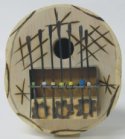
Available for purchase at
AfricaImports.com
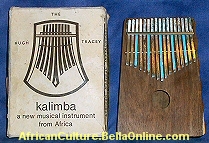
Hugh Tracey Kalimba
Hugh Tracey is known for bringing the kalimba out of Africa and to the rest of the world. He created a standardized kalimba made from kiaat wood (found in Mozambique) to sell outside of Africa. In the late 1950's, Hugh Tracey brought a few of his kalimbas to the United States to show as he lectured on African music. He met with some people from Creative Playthings and they ordered 10,000 kalimbas. Hugh Tracey found a company called African Musical Instruments (AMI) and built a small factory in Krugersdorp, South Africa to manufacture his kalimba.
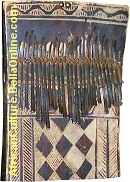
Kisanji from the Mbaka
People of Angola
Kalimbas are also known as: budongo, climba, gsansa, finger harp, finger piano, kalimbaphone, kisanji, lamellaphone, likembe, marimba, marimbula, mbira, sansa, sanza, thumb piano, and thumb drum.
Or better yet, listen to Mark Holdaway from KalimbaMagic.com play a Hugh Tracey Kalimba.
This site needs an editor - click to learn more!
You Should Also Read:
Kora - African Lute
African Talking Drum
Rough Guide to Music of Kenya / Tanzania - Review 
Related Articles
Editor's Picks Articles
Top Ten Articles
Previous Features
Site Map
Content copyright © 2023 by Jeanne Egbosiuba Ukwendu. All rights reserved.
This content was written by Jeanne Egbosiuba Ukwendu. If you wish to use this content in any manner, you need written permission. Contact
BellaOnline Administration
for details.
