Before Your Flight with Young Kids
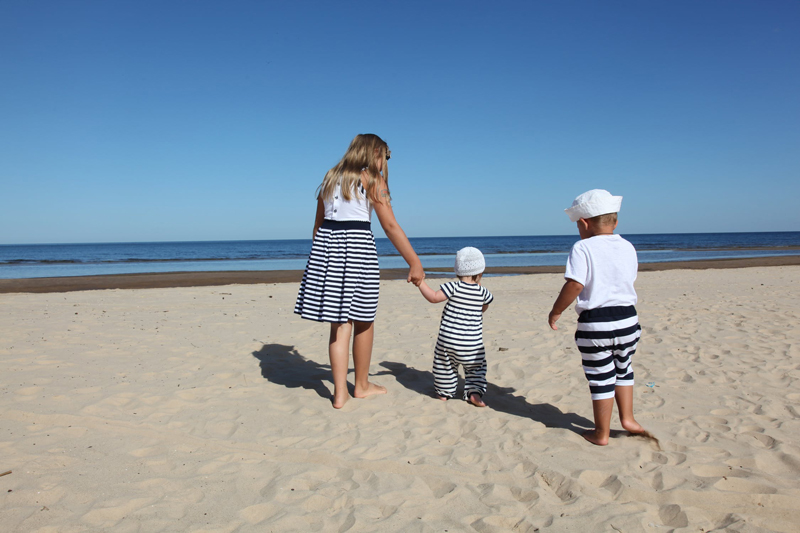
Traveling in any form always requires some advance planning. When you add kids and TSA, suddenly you really need to have your ducks in a row. Here are some things you should remember to do before you get on that airplane.
Make a packing list. Do this well in advance for you and your kids. Check the link below for some ready made packing lists that you can use as a guide.
Decide what you will pack in your child’s carry-on for in-flight entertainment. Try to put these selected toys and books out of your child’s reach for at least a few days before the flight, (perhaps even purchase new or gently used ones), so there will be some novelty (and added engagement) to them during the flight. See the link below for suggestions of what to pack for a young child’s carry-on.
If an electronic device is part of your child’s entertainment, download some new apps and/or videos. Be sure to test them out before the flight. There’s nothing worse than downloading a ton of games and activities only to find out during a long flight that they don’t work well for your child. (Trust me, I know.)
Organize YOUR carry-on. An organized carry-on is essential for making a flight with children go smoothly. Not only will it help you get through the TSA screening process more smoothly (because you won’t have any long forgotten gels or liquids hiding in the bottom of the bag), but it will ensure you have everything you need (such as snacks) in a place you can get to quickly enough to ward off a tantrum. If you’re organized there will be no need to spend (what seems like) an eternity searching for that favorite treat or necessary pacifier.
Practice the standing diaper change. Some smaller airplanes do not have changing tables in the bathrooms. Some changing tables that are present only hold newborns and small infants. If your toddler is not yet potty trained, you need an alternative. Once my daughter was able to stand well on her own, I started practicing the standing diaper change with her at home. This helped her (and me) feel comfortable enough with it so it wasn’t a problem when I needed to do it while we were traveling.
These simple planning tips, should help your next family flight go a little more smoothly.
Make a packing list. Do this well in advance for you and your kids. Check the link below for some ready made packing lists that you can use as a guide.
Decide what you will pack in your child’s carry-on for in-flight entertainment. Try to put these selected toys and books out of your child’s reach for at least a few days before the flight, (perhaps even purchase new or gently used ones), so there will be some novelty (and added engagement) to them during the flight. See the link below for suggestions of what to pack for a young child’s carry-on.
If an electronic device is part of your child’s entertainment, download some new apps and/or videos. Be sure to test them out before the flight. There’s nothing worse than downloading a ton of games and activities only to find out during a long flight that they don’t work well for your child. (Trust me, I know.)
Organize YOUR carry-on. An organized carry-on is essential for making a flight with children go smoothly. Not only will it help you get through the TSA screening process more smoothly (because you won’t have any long forgotten gels or liquids hiding in the bottom of the bag), but it will ensure you have everything you need (such as snacks) in a place you can get to quickly enough to ward off a tantrum. If you’re organized there will be no need to spend (what seems like) an eternity searching for that favorite treat or necessary pacifier.
Practice the standing diaper change. Some smaller airplanes do not have changing tables in the bathrooms. Some changing tables that are present only hold newborns and small infants. If your toddler is not yet potty trained, you need an alternative. Once my daughter was able to stand well on her own, I started practicing the standing diaper change with her at home. This helped her (and me) feel comfortable enough with it so it wasn’t a problem when I needed to do it while we were traveling.
These simple planning tips, should help your next family flight go a little more smoothly.
You Should Also Read:
Packing List for Kids
Ten Tips for Getting Around the Airport with Kids
Travel Packing Tips

Related Articles
Editor's Picks Articles
Top Ten Articles
Previous Features
Site Map
Content copyright © 2023 by Tiffiny Spire. All rights reserved.
This content was written by Tiffiny Spire. If you wish to use this content in any manner, you need written permission. Contact Tiffiny Spire for details.