

Mali Country Facts

Official Name: Republic of Mali
Alternate Names: Mali
Former Names: French Sudan, Sudanese Republic
Capital City: Bamako
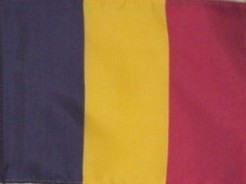
Flag: Mali's flag has three vertical stripes. From the hoist side the order is green, yellow and red.
Date of Independence: September 22, 1960 (from France)
National Anthem: Le Mali
Population: 12,666,987
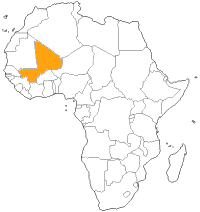 Size/Area: 1.24 million sq km - almost twice the size of Texas
Land Locked: Yes
Coastline: None
Bordering Countries: Algeria, Burkina Faso, Guinea, Cote d'Ivoire, Mauritania, Niger, Senegal
Administrative Divisions: 8 regions - Gao, Kayes, Kidal, Koulikoro, Mopti, Segou, Sikasso, Tombouctou
Major Cities: Bamako, Kayes, Sikasso, Mopti, Gao, Kidal
Languages: French (official), Bambara, numerous African languages
Religions: Muslim (90%), Christian (1%), indigenous beliefs (9%)
Major Holidays: 1 Jan New Year's Day (Jan 1),Armed Forces' Day (Jan 20), Mawloud (Prophet's Birthday) (Mar 9), Easter Monday, Day of Democracy (Mar 26), Labour Day (May 1), Africa Day (May 25), Independence Day (Sept 22), Korité (End of Ramadan), Tabaski (Feast of the Sacrifice), Christmas Day (Dec 25)
Currency: West African CFA Franc
Currency Code: XOF
Highest Point: Hombori Tondo 1,155 m
Lowest Point: Senegal River 23 m
Bodies of Water: Niger River, Senegal River
Climate: Mali has a subtropical to arid climate.
Major Industries: food processing, construction, phosphate, and gold mining
Major Agricultural Products: cotton, millet, rice, corn, vegetables, peanuts, cattle, sheep, goats
Natural Resources: gold, phosphates, kaolin, salt, limestone, uranium, gypsum, granite, hydropower
Time Zone: GMT
 Tribes of Africa eBook
This eBook is the most complete listing of African tribes available on the internet. The first section of this book is the tribes sorted alphabetically by country. The second section is the tribes sorted alphabetically by tribe name.
Alternate Names: Mali
Former Names: French Sudan, Sudanese Republic
Capital City: Bamako
Flag: Mali's flag has three vertical stripes. From the hoist side the order is green, yellow and red.
Date of Independence: September 22, 1960 (from France)
National Anthem: Le Mali
Population: 12,666,987
Size/Area: 1.24 million sq km - almost twice the size of TexasLand Locked: Yes
Coastline: None
Bordering Countries: Algeria, Burkina Faso, Guinea, Cote d'Ivoire, Mauritania, Niger, Senegal
Administrative Divisions: 8 regions - Gao, Kayes, Kidal, Koulikoro, Mopti, Segou, Sikasso, Tombouctou
Major Cities: Bamako, Kayes, Sikasso, Mopti, Gao, Kidal
Languages: French (official), Bambara, numerous African languages
Religions: Muslim (90%), Christian (1%), indigenous beliefs (9%)
Major Holidays: 1 Jan New Year's Day (Jan 1),Armed Forces' Day (Jan 20), Mawloud (Prophet's Birthday) (Mar 9), Easter Monday, Day of Democracy (Mar 26), Labour Day (May 1), Africa Day (May 25), Independence Day (Sept 22), Korité (End of Ramadan), Tabaski (Feast of the Sacrifice), Christmas Day (Dec 25)
Currency: West African CFA Franc
Currency Code: XOF
Highest Point: Hombori Tondo 1,155 m
Lowest Point: Senegal River 23 m
Bodies of Water: Niger River, Senegal River
Climate: Mali has a subtropical to arid climate.
Major Industries: food processing, construction, phosphate, and gold mining
Major Agricultural Products: cotton, millet, rice, corn, vegetables, peanuts, cattle, sheep, goats
Natural Resources: gold, phosphates, kaolin, salt, limestone, uranium, gypsum, granite, hydropower
Time Zone: GMT
Tribes of Africa eBookThis eBook is the most complete listing of African tribes available on the internet. The first section of this book is the tribes sorted alphabetically by country. The second section is the tribes sorted alphabetically by tribe name.
This site needs an editor - click to learn more!
You Should Also Read:
Griot - A West African Tradition
Kora - African Lute
African Talking Drum 
Related Articles
Editor's Picks Articles
Top Ten Articles
Previous Features
Site Map
Content copyright © 2023 by Jeanne Egbosiuba Ukwendu. All rights reserved.
This content was written by Jeanne Egbosiuba Ukwendu. If you wish to use this content in any manner, you need written permission. Contact
BellaOnline Administration
for details.
