

Discovering Your Spirit in the Garden
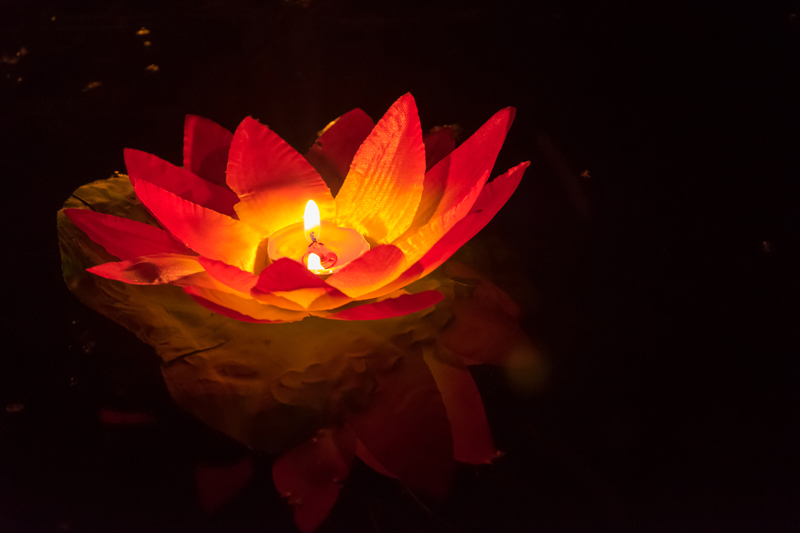
People plant gardens for many reasons, one of which is for the enjoyment and peace that gardens can bring. Whether you are among flowers, herbs, vegetables, or a mixture of each, gardens are a wondrous place to discover your spirit.
There is a therapeutic element to gardening, and it starts with first tilling the soil. As the soil is turned over, a fresh earthy smell fills the air. It is invigorating to breathe in the scent as you begin preparing the ground for planting. Care is taken to amend it with compost, and the soil is smoothed out to get it ready for seeds, seedlings, or mature plants. The seeds and plants are put into the ground with due diligence. Some people choose not to use gardening gloves and enjoy using their bare hands to dig into the soil, relishing the coolness and texture. It is a small way to connect with the earth and to feel like a part of the larger world around us.
After the plants are in the ground it is necessary to nurture them. Weeding can be viewed as a relaxing way to be among living things, instead of a chore. Removing weeds will provide more space, nutrients, and water for growing plants. Watering is essential between rains to encourage new plantings to thrive. Sometimes fertilizing is necessary to give plants a boost. Caring for your plants will give you a sense of purpose, because to neglect the plants at this time would result in them withering, or being taken over by weeds.
It is a joyful experience to watch your plants flourish. Your hard work and dedication pays off when the results of your labor start to appear. Vegetable and fruit plants will produce nutritious food that can be enjoyed and shared with family and friends. Herbs provide a lovely aroma to the garden, delicious enhancements in cooking, and ingredients for pleasantly scented sachets and potpourris. Flower gardens will bloom with lovely colors, attracting birds and various insects. Color will liven up your outdoor space, and bringing some of the flowers indoors will allow you to enjoy the beauty of nature inside your home. Any garden will attract living things such as frogs and toads, chipmunks, and rabbits. Wildlife will provide fascinating entertainment and a view into the lives of other living beings.
Your connection to nature will grow stronger as you tend to and enjoy your garden. As you walk along the mature plantings a sense of accomplishment and peace will wash over you. The tranquil environment is a comforting place to spend some reflective time, where the song of birds and the buzz of bees can be heard, and the color of butterflies can entice you to enjoy more of the natural world. The beautiful plants themselves offer a soothing backdrop for relaxation, as well as stimulation for all of your senses. Here among nature’s bounty you can get in touch with your inner spirit, learn more about yourself and the world around you, and find a calm retreat for renewal.
There is a therapeutic element to gardening, and it starts with first tilling the soil. As the soil is turned over, a fresh earthy smell fills the air. It is invigorating to breathe in the scent as you begin preparing the ground for planting. Care is taken to amend it with compost, and the soil is smoothed out to get it ready for seeds, seedlings, or mature plants. The seeds and plants are put into the ground with due diligence. Some people choose not to use gardening gloves and enjoy using their bare hands to dig into the soil, relishing the coolness and texture. It is a small way to connect with the earth and to feel like a part of the larger world around us.
After the plants are in the ground it is necessary to nurture them. Weeding can be viewed as a relaxing way to be among living things, instead of a chore. Removing weeds will provide more space, nutrients, and water for growing plants. Watering is essential between rains to encourage new plantings to thrive. Sometimes fertilizing is necessary to give plants a boost. Caring for your plants will give you a sense of purpose, because to neglect the plants at this time would result in them withering, or being taken over by weeds.
It is a joyful experience to watch your plants flourish. Your hard work and dedication pays off when the results of your labor start to appear. Vegetable and fruit plants will produce nutritious food that can be enjoyed and shared with family and friends. Herbs provide a lovely aroma to the garden, delicious enhancements in cooking, and ingredients for pleasantly scented sachets and potpourris. Flower gardens will bloom with lovely colors, attracting birds and various insects. Color will liven up your outdoor space, and bringing some of the flowers indoors will allow you to enjoy the beauty of nature inside your home. Any garden will attract living things such as frogs and toads, chipmunks, and rabbits. Wildlife will provide fascinating entertainment and a view into the lives of other living beings.
Your connection to nature will grow stronger as you tend to and enjoy your garden. As you walk along the mature plantings a sense of accomplishment and peace will wash over you. The tranquil environment is a comforting place to spend some reflective time, where the song of birds and the buzz of bees can be heard, and the color of butterflies can entice you to enjoy more of the natural world. The beautiful plants themselves offer a soothing backdrop for relaxation, as well as stimulation for all of your senses. Here among nature’s bounty you can get in touch with your inner spirit, learn more about yourself and the world around you, and find a calm retreat for renewal.

Related Articles
Editor's Picks Articles
Top Ten Articles
Previous Features
Site Map
Content copyright © 2023 by Debbie Grejdus. All rights reserved.
This content was written by Debbie Grejdus. If you wish to use this content in any manner, you need written permission. Contact Debbie Grejdus for details.
