Cruising the Inside Passage
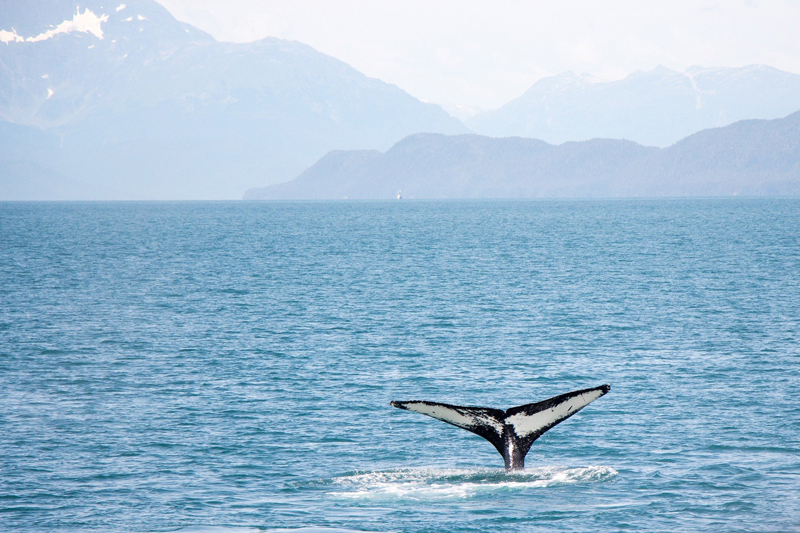
An Alaskan Inside Passage cruise is an awesome experience! It is a taste of the state that will whet your appetite for more.
The planning for packing, excursions, and payment is primarily done up front. Once you have fought your way thru the airport and made your way via shuttle or taxi to the cruise terminal, the fun begins. There is lots of fanfare, food and alcohol available. You will spend a few days learning your way around, but that ends up being half the fun. Wrong way, forward or aft, starboard or port, it doesn't matter, just have fun.
Besides the excursions you may have booked, there are so many things to do on board like, shows, games, pools, massages, gambling, movies, gyms, and seminars. There is lots of information available for local touring, wildlife, and history. Some days you fall into your bed and wonder how you managed to get it all done! Close your curtains as the sun sets late and rises early, I mean seriously early!
The weather in Alaska is quite varied. One day the sun is shining and a balmy 69 degrees, the next it's raining and a damp 50 degrees. Pack for all possibilities and you won't be uncomfortable. Also, you should plan for wind. If you're deck walker, it throws you a bit to come off the port side forward and get blasted with a 23 mph wind. If you are unsure of sea sickness or queasiness, the Ginger Root capsules are an inexpensive natural remedy that leaves no "Dramamine head" and work WONDERS!
Accommodations are much like a stay in a hotel. Your room is cared for in morning clean up and nightly turn down. Towel pet creations were quite the thing on Holland America line! You can enjoy a sit down meal as if in a fine restaurant or have the same quality meal only buffet style. The crew is constantly cleaning, vacuuming the carpets, and polishing the handrails. Something new for me were these standing, anti-bacterial hand wash stands...everywhere. Still I managed to come away from our trip with a cold dancing around the edges of my being. A really neat aspect was how hard the crew tries to get to know you. Still cannot figure out how the barista and one of the bar stewards knew our names.
Once you arrive home, plan for a day or more to recharge yourself. That first day back can be a bugger getting your land legs back. Another gift the Ginger Root has is helping to rebalance that equilibrium.
All in all, it was a great experience. If you want everything pretty much done for you, an Alaskan Cruise is the way to go. My next trip to Alaska will be to fly in and rent the RV!
I paid for my cruise with Holland America with my own money!
The planning for packing, excursions, and payment is primarily done up front. Once you have fought your way thru the airport and made your way via shuttle or taxi to the cruise terminal, the fun begins. There is lots of fanfare, food and alcohol available. You will spend a few days learning your way around, but that ends up being half the fun. Wrong way, forward or aft, starboard or port, it doesn't matter, just have fun.
Besides the excursions you may have booked, there are so many things to do on board like, shows, games, pools, massages, gambling, movies, gyms, and seminars. There is lots of information available for local touring, wildlife, and history. Some days you fall into your bed and wonder how you managed to get it all done! Close your curtains as the sun sets late and rises early, I mean seriously early!
The weather in Alaska is quite varied. One day the sun is shining and a balmy 69 degrees, the next it's raining and a damp 50 degrees. Pack for all possibilities and you won't be uncomfortable. Also, you should plan for wind. If you're deck walker, it throws you a bit to come off the port side forward and get blasted with a 23 mph wind. If you are unsure of sea sickness or queasiness, the Ginger Root capsules are an inexpensive natural remedy that leaves no "Dramamine head" and work WONDERS!
Accommodations are much like a stay in a hotel. Your room is cared for in morning clean up and nightly turn down. Towel pet creations were quite the thing on Holland America line! You can enjoy a sit down meal as if in a fine restaurant or have the same quality meal only buffet style. The crew is constantly cleaning, vacuuming the carpets, and polishing the handrails. Something new for me were these standing, anti-bacterial hand wash stands...everywhere. Still I managed to come away from our trip with a cold dancing around the edges of my being. A really neat aspect was how hard the crew tries to get to know you. Still cannot figure out how the barista and one of the bar stewards knew our names.
Once you arrive home, plan for a day or more to recharge yourself. That first day back can be a bugger getting your land legs back. Another gift the Ginger Root has is helping to rebalance that equilibrium.
All in all, it was a great experience. If you want everything pretty much done for you, an Alaskan Cruise is the way to go. My next trip to Alaska will be to fly in and rent the RV!
I paid for my cruise with Holland America with my own money!
You Should Also Read:
Shore Excursions
Packing for Cruise

Related Articles
Editor's Picks Articles
Top Ten Articles
Previous Features
Site Map
Content copyright © 2023 by Dawn Engler. All rights reserved.
This content was written by Dawn Engler. If you wish to use this content in any manner, you need written permission. Contact Deb Frost for details.