

Good Coaching in Softball
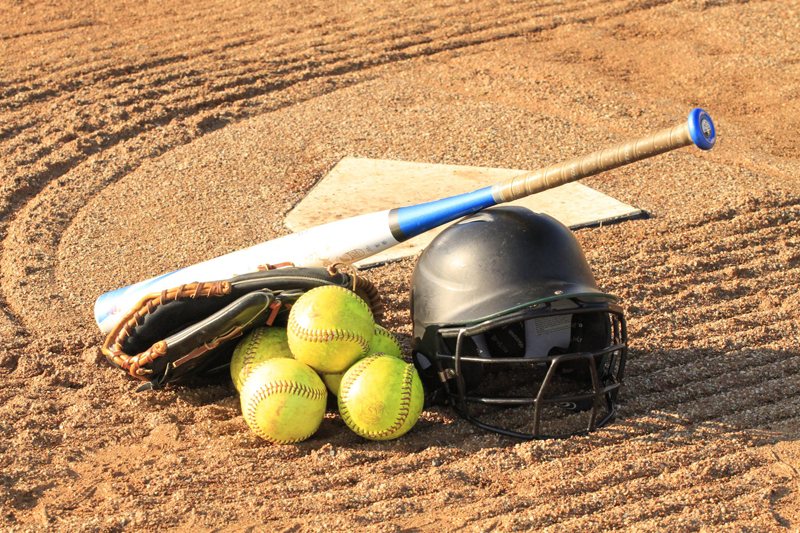
Looking back at my former softball years, as well as the time my daughter has played, I can say that I've learned a lot, from both a player perspective and a coachable student. I have known good and bad coaches, and many in between. Coaches who are inexperienced don't count as being bad since their effort is noble. Young players are looking for guidance and ways to get better. Any help in the general direction is a step in the right direction.
One important aspect of playing softball that many people overlook is the fun aspect. Although a winning record is very noticeable to college-bound scholarship-receiving students, it is not the way to prepare young players who are still deciding if they want to play. Even players who are experienced will long remember coaches who made the game of softball fun and exciting versus ruling the playing field like a dictator, barking out orders or yelling when a mistake is made. Instead, if a player makes a mistake, whether intentional or not, calm positive criticism is the best method for pointing out what someone should do next time.
I have been yelled at and have seen my daughter in tears when she missed a wild ball thrown way above her head while trying to make an out at first base. She could have in no way gotten to the ball unless she grew ten feet taller but she was still blamed for not making the out. Although I'm sure the coach probably didn't see exactly what happened, regardless, he could have merely pointed out a better approach instead of yelling. Every girl on my daughter's team except maybe one callous bully was at a very impressionable age and it didn't take much to make them cry. The yelling and punishments did nothing except keep parents waiting longer and infuriate the girls, making them more miserable all season long.
A winning season is something all coaches and players look forward to but it is by no means the first or most important part of the game. My daughter's team lost every single game this year. This was not the reason they were miserable. By the end of the season, they wanted nothing else to do with the coaches or each other. As a huge softball fan, I was deeply concerned and am looking for a traveling team for her for next year. I want her memories of softball to be as fulfilling and encouraging as mine were. If I had anything to change, it would be the coaches. I had several very good coaches and some mediocre but they were interested in helping the girls first and winning second. If coaches want to inspire and challenge their players, they should truly try to bring out the best in them all, making playing fun but also educational. Pointing out mistakes along the way will improve their playing and they will get better each year. The winning will come after that and it will be rewarding to everyone involved.
One important aspect of playing softball that many people overlook is the fun aspect. Although a winning record is very noticeable to college-bound scholarship-receiving students, it is not the way to prepare young players who are still deciding if they want to play. Even players who are experienced will long remember coaches who made the game of softball fun and exciting versus ruling the playing field like a dictator, barking out orders or yelling when a mistake is made. Instead, if a player makes a mistake, whether intentional or not, calm positive criticism is the best method for pointing out what someone should do next time.
I have been yelled at and have seen my daughter in tears when she missed a wild ball thrown way above her head while trying to make an out at first base. She could have in no way gotten to the ball unless she grew ten feet taller but she was still blamed for not making the out. Although I'm sure the coach probably didn't see exactly what happened, regardless, he could have merely pointed out a better approach instead of yelling. Every girl on my daughter's team except maybe one callous bully was at a very impressionable age and it didn't take much to make them cry. The yelling and punishments did nothing except keep parents waiting longer and infuriate the girls, making them more miserable all season long.
A winning season is something all coaches and players look forward to but it is by no means the first or most important part of the game. My daughter's team lost every single game this year. This was not the reason they were miserable. By the end of the season, they wanted nothing else to do with the coaches or each other. As a huge softball fan, I was deeply concerned and am looking for a traveling team for her for next year. I want her memories of softball to be as fulfilling and encouraging as mine were. If I had anything to change, it would be the coaches. I had several very good coaches and some mediocre but they were interested in helping the girls first and winning second. If coaches want to inspire and challenge their players, they should truly try to bring out the best in them all, making playing fun but also educational. Pointing out mistakes along the way will improve their playing and they will get better each year. The winning will come after that and it will be rewarding to everyone involved.
This site needs an editor - click to learn more!

Related Articles
Editor's Picks Articles
Top Ten Articles
Previous Features
Site Map
Content copyright © 2023 by Traci Falb. All rights reserved.
This content was written by Traci Falb. If you wish to use this content in any manner, you need written permission. Contact
BellaOnline Administration
for details.
