Japan Pursues Whales Regardless of Court Ruling
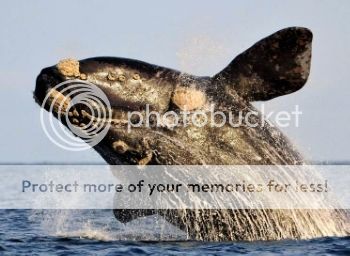
On 31 May 2010, Australia filed a complaint against Japan's whaling practices with the United Nation's International Court of Justice (ICJ). Over the next several years, ICJ examined data provided by Australia and Japan. On 31 March 2014, the court ruled that Japan must revoke any active Antarctic whaling permits and refrain from further issuance henceforth. At a vote of 12 to 4, the judges concluded that the preponderance of evidence suggested that Japan was manipulating the law rather than working within its spirit. Presiding Judge Peter Tomka of Slovakia noted that the scientific output was limited in scope and did not provide data above what is already in existence. The ruling is final without the option for an appeal.
Despite the thoroughness of the court's ruling, Japan has stated that it intends to continue its whaling practice in Antarctic waters, and to add further insult issued a press release with the country's intent to start whaling in the Pacific Ocean on 26 April 2014, after President Barack Obama concludes his visit. This tantrum-like response has left a large number of global Eco-conscious people ready to put a dunce cap on Japan and place them in a time out for their duplicitous behavior with a stern reminder that the country voluntarily signed the 1986 moratorium on whaling. Since making that global pledge, the country has illegally slain tens of thousands of whales with a large number of them on the International Union for Conservation of Nature (IUCN) endangered species red list.
Whales are warm-blooded, air breathing cetacean mammals. They live in tightly knit nuclear family units that rival humans. Gestation to produce a single calf is between one and two years and like humans, copulation is not indicative of a pregnancy. The time in between copulation cycles ranges from one to three years. Most likely, copulation does not begin prior to five years of age. However, there is research to suggest that several species of whale wait until they are 15 years old before they enter into breeding cycles. This evolving data supports the hypothesis that whale populations are nowhere near replenished and to continue harvesting them gets us all further away from that goal.
For those interested, please sign the Demand Japan Stop Whaling petition.
Read the ICJ Ruling.
This is Deb Duxbury, for Animal Life, reminding you to please spay or neuter your pet.
Despite the thoroughness of the court's ruling, Japan has stated that it intends to continue its whaling practice in Antarctic waters, and to add further insult issued a press release with the country's intent to start whaling in the Pacific Ocean on 26 April 2014, after President Barack Obama concludes his visit. This tantrum-like response has left a large number of global Eco-conscious people ready to put a dunce cap on Japan and place them in a time out for their duplicitous behavior with a stern reminder that the country voluntarily signed the 1986 moratorium on whaling. Since making that global pledge, the country has illegally slain tens of thousands of whales with a large number of them on the International Union for Conservation of Nature (IUCN) endangered species red list.
Whales are warm-blooded, air breathing cetacean mammals. They live in tightly knit nuclear family units that rival humans. Gestation to produce a single calf is between one and two years and like humans, copulation is not indicative of a pregnancy. The time in between copulation cycles ranges from one to three years. Most likely, copulation does not begin prior to five years of age. However, there is research to suggest that several species of whale wait until they are 15 years old before they enter into breeding cycles. This evolving data supports the hypothesis that whale populations are nowhere near replenished and to continue harvesting them gets us all further away from that goal.
For those interested, please sign the Demand Japan Stop Whaling petition.
Read the ICJ Ruling.
This is Deb Duxbury, for Animal Life, reminding you to please spay or neuter your pet.
You Should Also Read:
Ningen Guardians of Cetaceans
The Need for Whales is Elementary My Dear Watson
Whale Earwax Tells Marine Life Tale

Related Articles
Editor's Picks Articles
Top Ten Articles
Previous Features
Site Map
Follow @WildlifeWelfare
Tweet
Content copyright © 2023 by Deb Duxbury. All rights reserved.
This content was written by Deb Duxbury. If you wish to use this content in any manner, you need written permission. Contact Deb Duxbury for details.