Use Apple Cider Vinegar for Home and Garden
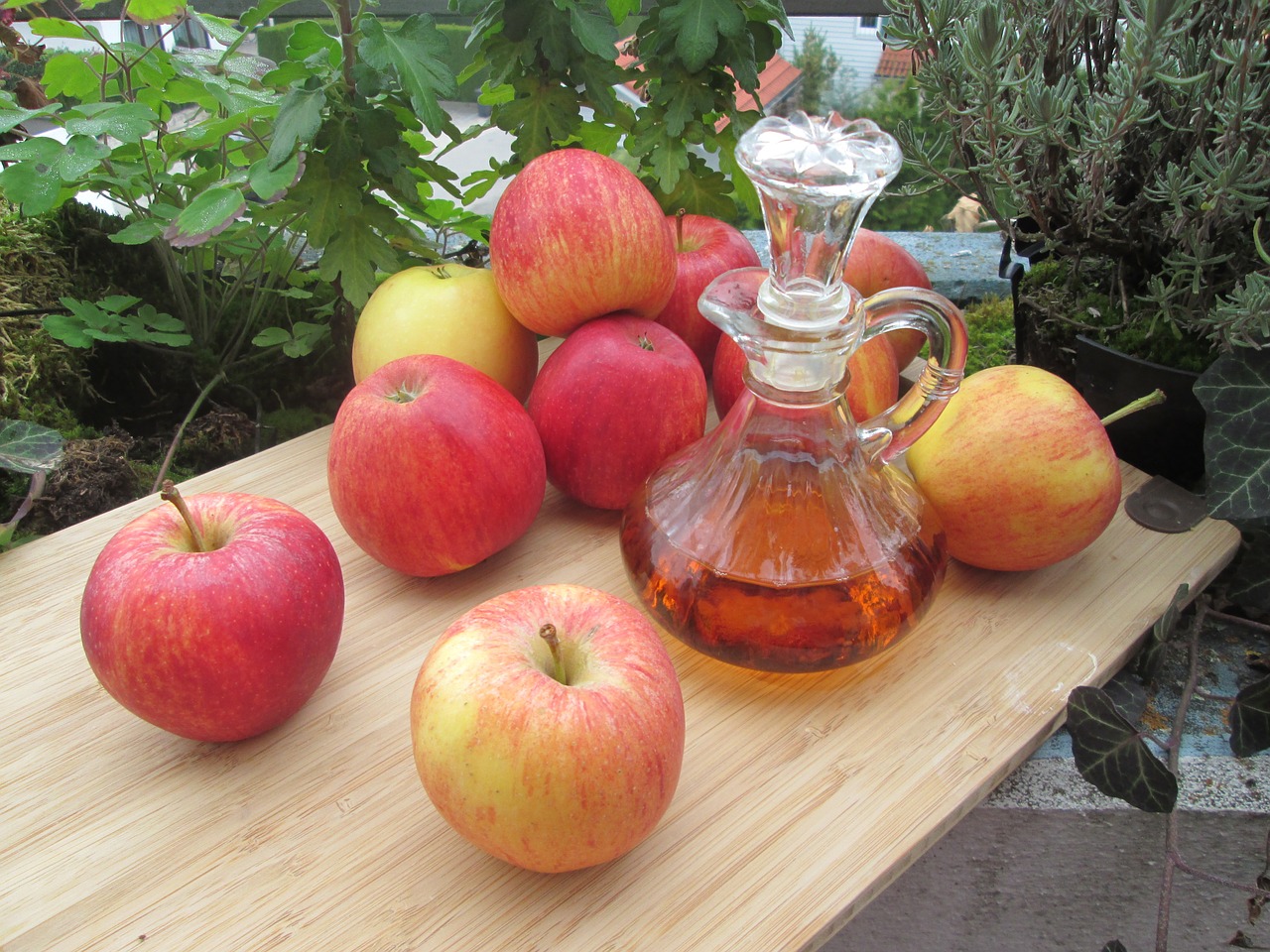
Do you have a bottle of apple cider vinegar sitting in the pantry? If so, chances are pretty good that you use it when you're cooking, such as in your favorite recipes, or as a condiment. However, most people don't realize what a gem apple cider vinegar really is. The truth is, it is on of the most versatile items you could have in your home. Here's more information on how you can use apple cider vinegar:
When people make cleaning products, they tend to use distilled vinegar. Although this type of vinegar tends to be less expensive than apple cider vinegar, it isn't the only type of vinegar that can be used. Apple cider vinegar is great, as well, if not better. Here are some of the ways this type of vinegar can be used in cleaning:
Cleaning Spray. Pour a spray bottle half filled with apple cider vinegar. Top it off with water. Add ten drops of your favorite essential oil, such as lavender, if desired. Shake the mixture well before spraying it on the surfaces that you need cleaned.
Absorb Odors. If you need to neutralize a bad odor in a room, fill a bowl with apple cider vinegar and leave it in the room. You can also add a few drops of your favorite essential oil, if you want.
Repel Insects. If you have an infestation of fruit flies or other bugs indoors, placing a few drops of apple cider vinegar in the affected areas can keep them away.
Another way that you can use apple cider vinegar is in the garden. This is a safe and natural substance that won't harm the environment the way some of the products on the market do. Here's more information:
Weed Killer.You don't need to use powerful chemicals to kill weeds. Spritz pure apple cider vinegar on them and wait a few days. Once they begin to die they'll be easy to pull out.
Fertilizer.Pour a solution of 1/2 apple cider vinegar and 1/2 water onto your plans once or twice per month in order to help them grow strong and healthy.
Get rid of insects,Just as apple cider vinegar can repel insects indoors, it can do the same outside. Spray a solution of 1/2 water and 1/2 apple cider vinegar on any plants in your garden that attract bugs.
As you can see, apple cider vinegar has a lot of great uses for both the home and the garden. For best results, consider buying the highest quality apple cider vinegar possible. I personally love and swear by
Bragg USDA Organic Raw Apple Cider Vinegar. It tastes great and has the "mother", so I know it's the real thing.
Home
When people make cleaning products, they tend to use distilled vinegar. Although this type of vinegar tends to be less expensive than apple cider vinegar, it isn't the only type of vinegar that can be used. Apple cider vinegar is great, as well, if not better. Here are some of the ways this type of vinegar can be used in cleaning:
Garden
Another way that you can use apple cider vinegar is in the garden. This is a safe and natural substance that won't harm the environment the way some of the products on the market do. Here's more information:
As you can see, apple cider vinegar has a lot of great uses for both the home and the garden. For best results, consider buying the highest quality apple cider vinegar possible. I personally love and swear by
Bragg USDA Organic Raw Apple Cider Vinegar. It tastes great and has the "mother", so I know it's the real thing.
You Should Also Read:
Eco-Friendly Spring Cleaning Ideas
Lavender Room Spray Recipe
How To Have An Organic And Natural Lawn

Related Articles
Editor's Picks Articles
Top Ten Articles
Previous Features
Site Map
Content copyright © 2023 by Katherine Tsoukalas. All rights reserved.
This content was written by Katherine Tsoukalas. If you wish to use this content in any manner, you need written permission. Contact Katherine Tsoukalas for details.