

TaiChi And Aging

Tai Chi Chih – Body and Mind
Tai Chi is known as a calming, centering practice that has a strong link to the martial arts. Tai Chi Chih has broken with the martial art tradition. It has become associated with the relationship of mind, body and health.
Aging is something we all share. Whether we feel it or not, our bodies wear out with use and each day brings us closer to the problems associated with aging. Some of the major issues with aging are
- Loss of Balance
- Loss of Flexibility
- Vision Impairment
- Hearing Impairment
- Heart and Circulatory Problems
- Lowered Immunity
- Depression
Tai Chi Chih has been shown to be an effect approach to most of the items in the list above. Since 1996 published peer review studies have indicated consistent positive effects from the practice. Maybe we can hold off on that depression.
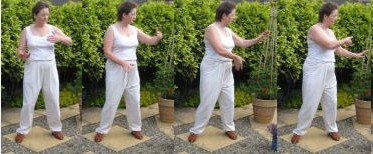
NCHS reported that only 32% of elderly persons exercised on a daily basis. In their publication of 2010, the CDC reported on Effective Fall Interventions, looking at studies about programs that had been put in place to reduce falls in the elderly, some living at home, some institutionalized. They found that Tai Chi Quan, Tai Chi Chih and Tai Chi Yang all showed benefits in reducing fall risk among participants by 46% to 55%.
In all cases, the participants were new to Tai Chi. Sessions varied between once and twice weekly. Balance was a measurement in most studies, and was measured before the first class and 22 to 26 weeks after the class ended. Most Tai Chi classes restricted the number of movement to those that worked on Balance, Coordination and Flexibility. The exception used instructors from many different backgrounds with the requirement of being an experienced instructor in Tai Chi. I expect this led to a more varied experience, but there was little difference in the results.
Stepping into a Tai Chi class can be intimidating, even to someone involved in the community and facing change everyday. Imagine what it must have been for those men and women who participated in these studies from institutions. Institutional life is based on schedule and routine. These classes were focused on balance, coordination (body rhythm) , and flexibility which are generally areas of weakness for the elderly.
What does this have to do with Ergonomics?
Ergonomics deals with the problems life brings to us and helps in integrating
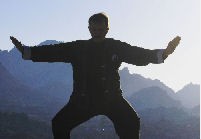
our physical capacities into the world we experience. As we age, our capacities become more narrowed. If there is a way to maintain those abilities, it is to the ergonomists advantage to find out. In designing equipment, living or work spaces for the elderly we need to know what needs to design for. And what to recommend to our clients.
I once dealt with a young man who lost his sense of balance through an accident. It was not bad enough to cripple him, but it made him unsafe at work. Through some minor modifications to the work area and explaining the exact work problems we were dealing with, I was able to gain the assistance of his Occupational Therapist in finding the exercises that eventually allowed him to conquer the problem.
With the elderly, the situation is somewhat different, but designing adaptations and working toward improvement still makes sense. Consider this a little side trip into a related issue.
Images through the courtesy of Everyday TaiChi
©2011 by vjhixson all rights reserved
This site needs an editor - click to learn more!

Related Articles
Editor's Picks Articles
Top Ten Articles
Previous Features
Site Map
Content copyright © 2023 by virginia hixson. All rights reserved.
This content was written by virginia hixson. If you wish to use this content in any manner, you need written permission. Contact
BellaOnline Administration
for details.
