Alternative Energy Options for the Home
Saving money on energy costs is something most people are interested in. Energy is something we constantly need, but continues to rise in cost. Fortunately there are renewable and more cost-efficient ways to power your home. Here are five of the best options:
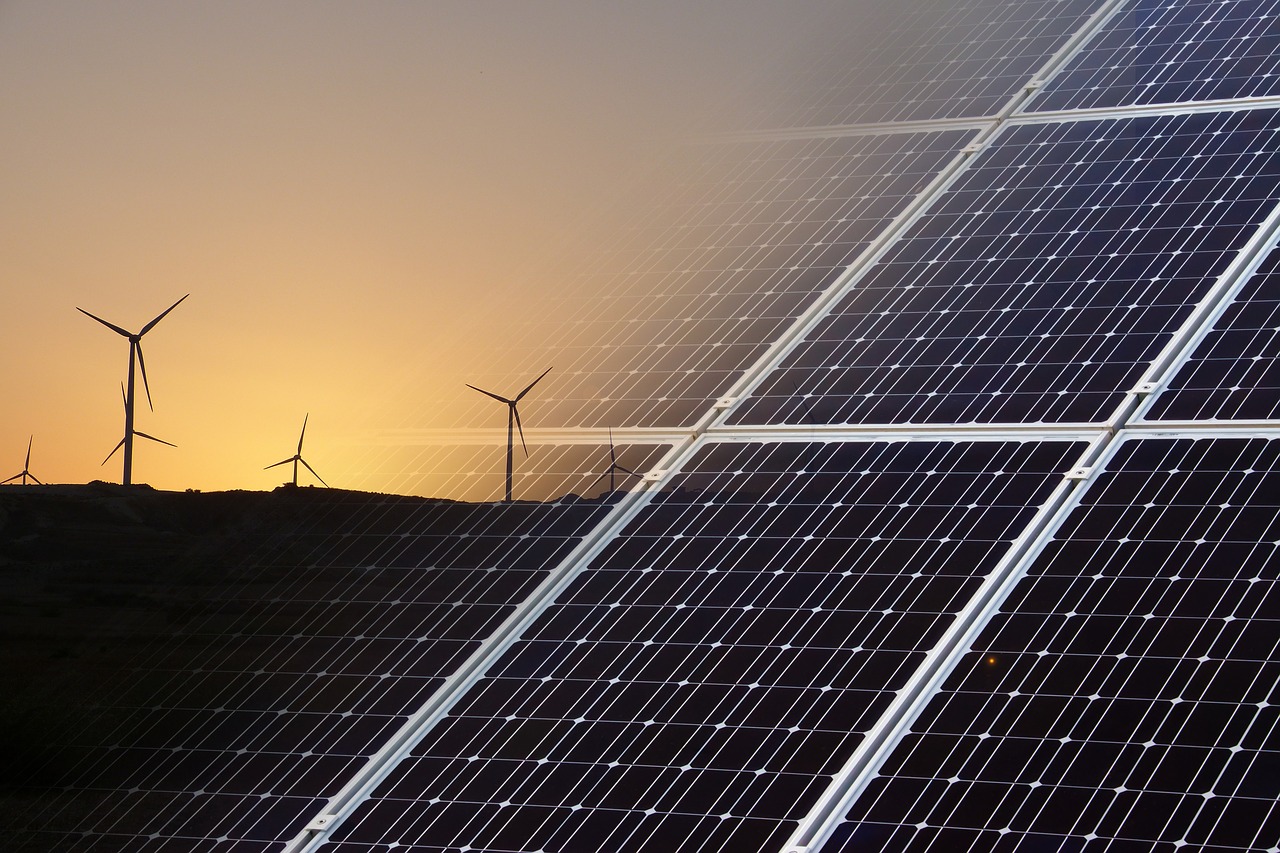
Rooftop solar panels might seem pricey to buy and install, but in the long-run they will help save you money on your home's energy costs. There is definitely a rise in people switching to solar energy. Aside from saving you money on electricity, rooftop solar panels have other benefits including: reducing greenhouse gas emissions, they require minimal maintenance, and they are a source of inexhaustible energy. Another bonus to choosing rooftop solar panels is that they may increase the value of your home if you ever decide to sell.
In addition to getting your energy from solar panels, you can also get hot water in the same fashion. The sun will heat a reserve of water that can be pumped through your home. If you're not ready, or don't have the money, to do solar panels, this may be a good option to start with. Saving money on heating your water will make a huge difference even if it's the only change you decide to make.
This is a great option for anyone who lives where it can get very hot or anyone who just prefers a cooler home. It isn't cheap to run an air conditioner constantly, so having it powered by solar energy makes the best sense. Solar air conditioning works similarly to solar water heating. In fact, depending on how it is set up, you may be able to reap the benefits of both solar air conditioning and the solar water heater in one.
Wind turbines won't work for everyone because they can be large (but some are small), ugly, and make noise, but for anyone who doesn't live too close to others and can legally install them (they aren't allowed everywhere), they do have benefits worth considering. Wind is free, so generating energy this way will definitely save you money in the long-run. If you live in an area where it's often windy, you will benefit from wind turbines. They also cause no pollution so they are environmentally friendly.
If you're thinking of starting small, a solar oven is a good way to go, especially if you do a lot of cooking in your home. In addition to saving money on energy, this can also be a practical solution in case of emergencies. If you lose power due to a storm or earthquake, you can still heat up food.
If you're looking for ways to save money on your energy costs and help the environment at the same time, some of the above alternative energy ideas might be for you. Solutions such as these are becoming more popular and with technology growing every day, they are only getting better.
Rooftop Solar Panels
Rooftop solar panels might seem pricey to buy and install, but in the long-run they will help save you money on your home's energy costs. There is definitely a rise in people switching to solar energy. Aside from saving you money on electricity, rooftop solar panels have other benefits including: reducing greenhouse gas emissions, they require minimal maintenance, and they are a source of inexhaustible energy. Another bonus to choosing rooftop solar panels is that they may increase the value of your home if you ever decide to sell.
Solar Water Heater
In addition to getting your energy from solar panels, you can also get hot water in the same fashion. The sun will heat a reserve of water that can be pumped through your home. If you're not ready, or don't have the money, to do solar panels, this may be a good option to start with. Saving money on heating your water will make a huge difference even if it's the only change you decide to make.
Solar Air Conditioning
This is a great option for anyone who lives where it can get very hot or anyone who just prefers a cooler home. It isn't cheap to run an air conditioner constantly, so having it powered by solar energy makes the best sense. Solar air conditioning works similarly to solar water heating. In fact, depending on how it is set up, you may be able to reap the benefits of both solar air conditioning and the solar water heater in one.
Wind Turbines
Wind turbines won't work for everyone because they can be large (but some are small), ugly, and make noise, but for anyone who doesn't live too close to others and can legally install them (they aren't allowed everywhere), they do have benefits worth considering. Wind is free, so generating energy this way will definitely save you money in the long-run. If you live in an area where it's often windy, you will benefit from wind turbines. They also cause no pollution so they are environmentally friendly.
Solar Oven
If you're thinking of starting small, a solar oven is a good way to go, especially if you do a lot of cooking in your home. In addition to saving money on energy, this can also be a practical solution in case of emergencies. If you lose power due to a storm or earthquake, you can still heat up food.
If you're looking for ways to save money on your energy costs and help the environment at the same time, some of the above alternative energy ideas might be for you. Solutions such as these are becoming more popular and with technology growing every day, they are only getting better.
You Should Also Read:
Green Ways to Heat a Home
Ways to Conserve Water at Home
Get to Know Solar Power

Related Articles
Editor's Picks Articles
Top Ten Articles
Previous Features
Site Map
Content copyright © 2023 by Katherine Tsoukalas. All rights reserved.
This content was written by Katherine Tsoukalas. If you wish to use this content in any manner, you need written permission. Contact Katherine Tsoukalas for details.