

Another Year Past 9/11
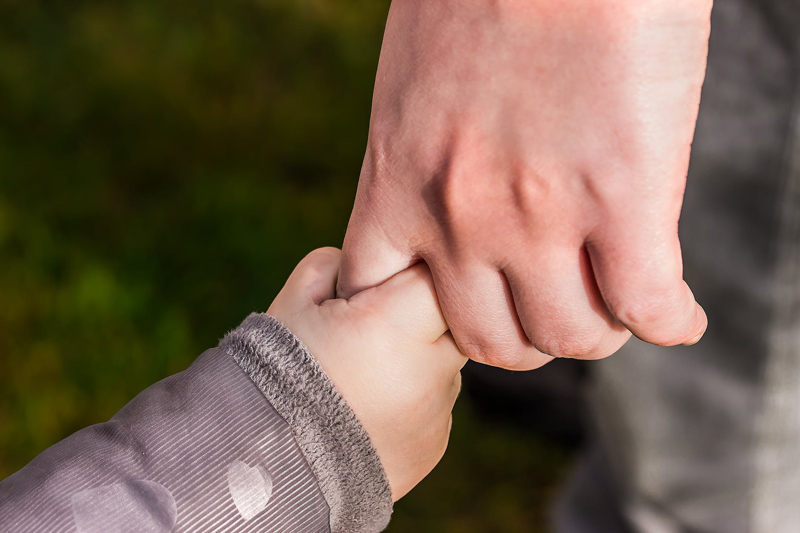
All children have specific needs for comfort and support during and after traumatic events. Children with disabilities or existing chronic health conditions may have been more vulnerable than their mainstream peers to the physical and emotional damage of the events happening in New York, at the Pentagon, and Pennsylvania crash site, on September 11, 2001.
Many children who might otherwise have grown up without physical or emotional health problems may have developed difficulties, even if they have did not immediately show symptoms, although problems may have seemed to subside after the initial period of shock, grief, constant news coverage and pollution. Those who were children then might still be especially vulnerable on 9/11 anniversaries, when visual reminders and conversations turn to those terrible events.
Children's physical and mental health issues must be a priority for those who analyze the effects of 9/11 and any other terrorist attack. While we are building crisis response teams and creating disaster preparedness plans, we must keep in mind that a large population of children depend on us to plan for their support and comfort during a crisis and for many years following the event.
Five years past the events of 9/11 we were not hearing many questions asked about the health effects on children caught in the neighborhoods affected by the collapse of the Twin Trade Towers. Clouds of dust and pollutants spread farther than the immediate area around the devastation, and must have been a problem to clean up in many neighborhoods where the dust was not analyzed, or treated like the hazardous substance it happened to be.
Schools were evacuated and closed or locked down that day throughout the region. Many families kept their televisions and radios on for days. The psychological toll is still felt by adults who were thousands of miles away. We must not forget that very young children and adolescents also witnessed the news stories, as well as the sorrow and fear of grownups caring for them. This must have been more intense for children living near the sites of the plane crashes, especially those who lost loved ones, neighbors or mentors.
In Maslow's Hierarchy of Needs, safety is in the foundation. Children need to trust in the future, and reassurances that life will return to a definite normalcy no matter how frightening and uncertain it may seem during times of crisis. They need an interested listener long after adults believe they have put a frightening event behind them.
We need to be tough as well as compassionate, and accept that our own need for a sense of control and normalcy might cause us to give unhelpful messages to those who need role models who admit to needing help to get through traumatic periods. We must speak out against racist remarks that attribute murderous impulses to whole cultures and nationalities of a few who represent the opposite of what their religions teach.
Our children need to know that we do not give up hope. They look for reassurances and comfort from trusted adults and repeated reminders that most families in every culture want peace and prosperity for their children, too.
Children with disabilities are overlooked more often than their mainstream peers in most local, regional and national discussions. They need to be considered in planning, in emergency response, and long term follow-up. None of our children are not little adults, and those who appear to be so often lack the developmental sophistication they imitate from movies and TV. When we acknowledged the needs of children, including children with disabilities, in disaster preparedness and emergency response, we will also be much better planners for support of our adult population.
Browse at your local bookstore, public library or online retailer for books about soothing children's fears and counseling children after disasters.
Sesame Workshop and 9/11
https://joanganzcooneycenter.org/Cooney-Center-Blog-172.html
What Art Therapy Learned from September 11th
Children's drawings of 9/11 increased our understanding of trauma and PTSD
https://www.psychologytoday.com/blog/the-healing-arts/201109/what-art-therapy-learned-september-11th
NFPA Emergency Evacuation Planning Guide for People with Disabilities
https://www.nfpa.org/evacuationguide
The National Fire Protection Association (NFPA) developed this free guide as a resource for creating an all-inclusive evacuation plan that considers everyone’s needs for evacuation, including the needs of people with disabilities. Please share this with local mayors, fire and police chiefs, and school district directors.
UCLA School Mental Health Project
Center for Mental Health in Schools
Crisis Prevention and Response -Resources and Information Links
https://smhp.psych.ucla.edu/qf/p2107_01.htm
New York Health Officials Issue Guide to 9/11 Illnesses
https://www.nytimes.com/2006/09/01/nyregion/01health.html?_r=1&oref=slogin
NY Kids May Carry 9/11 Mental Scars as Adults
https://www.911ea.org/911ea/News.html
WebMD 9/11 Lingers in Mind and Body 2003 Health and psychological effects of 9/11 are still emerging and far-reaching
https://www.webmd.com/content/article/73/88882.htm
Panel Confronts Post 9/11 Health Issues, 2005
https://www.911ea.org/911ea/News.htm
Emergency Preparedness for People with Disabilities in New York 2004
This is the html version of the file https://www.jik.com/Disaster-lessons-CIDNYWTCpaper.doc
Lessons Learned from the World Trade Center Disaster Emergency Preparedness for People with Disabilities
The Children’s Health Fund
https://www.childrenshealthfund.org
National PTA - Disaster Relief Information Center
Washington PTA - Crisis and Relief Information
https://www.wastatepta.org/resources/kids_school/index.html
Airline Travel for Children with Special Needs
https://www.bellaonline.com/articles/art45142.asp
Carry On Luggage Rules for Flights Today
https://www.bellaonline.com/articles/art45183.asp
Us and Them - by Mayer Shevin
https://shevin.org/articles-usthem.html
Many children who might otherwise have grown up without physical or emotional health problems may have developed difficulties, even if they have did not immediately show symptoms, although problems may have seemed to subside after the initial period of shock, grief, constant news coverage and pollution. Those who were children then might still be especially vulnerable on 9/11 anniversaries, when visual reminders and conversations turn to those terrible events.
Children's physical and mental health issues must be a priority for those who analyze the effects of 9/11 and any other terrorist attack. While we are building crisis response teams and creating disaster preparedness plans, we must keep in mind that a large population of children depend on us to plan for their support and comfort during a crisis and for many years following the event.
Five years past the events of 9/11 we were not hearing many questions asked about the health effects on children caught in the neighborhoods affected by the collapse of the Twin Trade Towers. Clouds of dust and pollutants spread farther than the immediate area around the devastation, and must have been a problem to clean up in many neighborhoods where the dust was not analyzed, or treated like the hazardous substance it happened to be.
Schools were evacuated and closed or locked down that day throughout the region. Many families kept their televisions and radios on for days. The psychological toll is still felt by adults who were thousands of miles away. We must not forget that very young children and adolescents also witnessed the news stories, as well as the sorrow and fear of grownups caring for them. This must have been more intense for children living near the sites of the plane crashes, especially those who lost loved ones, neighbors or mentors.
In Maslow's Hierarchy of Needs, safety is in the foundation. Children need to trust in the future, and reassurances that life will return to a definite normalcy no matter how frightening and uncertain it may seem during times of crisis. They need an interested listener long after adults believe they have put a frightening event behind them.
We need to be tough as well as compassionate, and accept that our own need for a sense of control and normalcy might cause us to give unhelpful messages to those who need role models who admit to needing help to get through traumatic periods. We must speak out against racist remarks that attribute murderous impulses to whole cultures and nationalities of a few who represent the opposite of what their religions teach.
Our children need to know that we do not give up hope. They look for reassurances and comfort from trusted adults and repeated reminders that most families in every culture want peace and prosperity for their children, too.
Children with disabilities are overlooked more often than their mainstream peers in most local, regional and national discussions. They need to be considered in planning, in emergency response, and long term follow-up. None of our children are not little adults, and those who appear to be so often lack the developmental sophistication they imitate from movies and TV. When we acknowledged the needs of children, including children with disabilities, in disaster preparedness and emergency response, we will also be much better planners for support of our adult population.
Browse at your local bookstore, public library or online retailer for books about soothing children's fears and counseling children after disasters.
Sesame Workshop and 9/11
https://joanganzcooneycenter.org/Cooney-Center-Blog-172.html
What Art Therapy Learned from September 11th
Children's drawings of 9/11 increased our understanding of trauma and PTSD
https://www.psychologytoday.com/blog/the-healing-arts/201109/what-art-therapy-learned-september-11th
NFPA Emergency Evacuation Planning Guide for People with Disabilities
https://www.nfpa.org/evacuationguide
The National Fire Protection Association (NFPA) developed this free guide as a resource for creating an all-inclusive evacuation plan that considers everyone’s needs for evacuation, including the needs of people with disabilities. Please share this with local mayors, fire and police chiefs, and school district directors.
UCLA School Mental Health Project
Center for Mental Health in Schools
Crisis Prevention and Response -Resources and Information Links
https://smhp.psych.ucla.edu/qf/p2107_01.htm
New York Health Officials Issue Guide to 9/11 Illnesses
https://www.nytimes.com/2006/09/01/nyregion/01health.html?_r=1&oref=slogin
NY Kids May Carry 9/11 Mental Scars as Adults
https://www.911ea.org/911ea/News.html
WebMD 9/11 Lingers in Mind and Body 2003 Health and psychological effects of 9/11 are still emerging and far-reaching
https://www.webmd.com/content/article/73/88882.htm
Panel Confronts Post 9/11 Health Issues, 2005
https://www.911ea.org/911ea/News.htm
Emergency Preparedness for People with Disabilities in New York 2004
This is the html version of the file https://www.jik.com/Disaster-lessons-CIDNYWTCpaper.doc
Lessons Learned from the World Trade Center Disaster Emergency Preparedness for People with Disabilities
The Children’s Health Fund
https://www.childrenshealthfund.org
National PTA - Disaster Relief Information Center
Washington PTA - Crisis and Relief Information
https://www.wastatepta.org/resources/kids_school/index.html
Airline Travel for Children with Special Needs
https://www.bellaonline.com/articles/art45142.asp
Carry On Luggage Rules for Flights Today
https://www.bellaonline.com/articles/art45183.asp
Us and Them - by Mayer Shevin
https://shevin.org/articles-usthem.html
You Should Also Read:
A Year Past Hurricane Katrina
Terrorist Attacks and Children
Soothing Children's Fears

Related Articles
Editor's Picks Articles
Top Ten Articles
Previous Features
Site Map
Follow @DownSynAdvocacy
Tweet
Content copyright © 2023 by Pamela Wilson. All rights reserved.
This content was written by Pamela Wilson. If you wish to use this content in any manner, you need written permission. Contact Pamela Wilson for details.
