

Inclusive Education
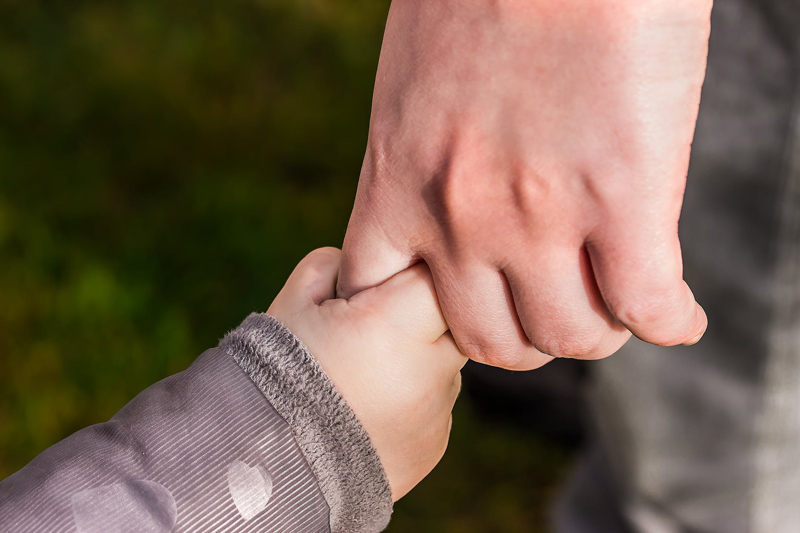
IEP Meeting Cancellation Frustration 
Parents report frustration over poor attendance and late cancelations of school meetings by teachers, support staff or administrators after families members take time off work and have spent weeks gathering information to present for adequate support and approrpriate placement for their child.
Access to Communication and Education Technology 
Children and teens with disabilities should have access to technology that can provide alternative communication platforms and educational support and inspiration. A quarter century of research has shown the benefits and accommodations tech hardware and software offers people with disabilities.
Adaptive Classes and Childhood Disability
Adaptive classes for students with IEPs may be helpful, effective, and enjoyable places. But it is better for all to grow up included with mainstream peers, who also benefit from their presence and the accommodations they bring to classrooms and playgrounds - and eventually to all their adult lives.
Advocating for Inclusion - Unexpected Benefits
While many parents advocate for inclusive classrooms and community programs in hopes of giving their children the opportunity to make friends and grow up with opportunities to participate in social activities throughout their lives, the unexpected benefits of inclusion are just as valuable.
Affirmations - Expressing Affection and Acceptance
Nothing is more true than affirmations of admiration, affection and acceptance for our children and families
After School Homeschooling - Childhood Disability
Children with disabilities who do not have opportunities for academics and inclusion during their school day are often taught at home and included in neighborhood events and community programs
Apps, Electronic Gadgets and Childhood Disability
Nothing has given individuals with disabilities of all ages more options than the availability of the same amazing electronics and inexpensive applications that fascinate their mainstream peers.
Art and Self Expression for Children
Children with disabilities enjoy self expression and deserve opportunities to develop their creative potential and art skills. Teens and young adults can share their insights and perspectives through their art and, like all other artists, express more than language skills allow.
Assistive Listening Devices for the Classroom
Assisted listening devices like FM, soundfield amplification, and induction loop systems, help students challenged by hearing loss, classroom background noise, auditory processing challenges and/or fluctuating conductive hearing loss often found in students with Down syndrome,
Co-Teaching and Inclusive Education
Co-teaching of inclusive classrooms has been proven successful and productive for more than a decade. Teaching staff, families, and the students involved have positive responses about their experiences with inclusive classrooms, with benefits in both academics and socialization.
Early Childhood Education and the NAEYC
The best information about quality early childhood education is available to families of children diagnosed with developmental delays, disabilities or other challenges through the same resources as their mainstream peers
Elementary School Transition
Transitions during the elementary school years can be well planned and supported so that children with special needs may concentrate on educational opportunities, maintaining self confidence and developing healthy relationships.
Explaining Disabilities to Classmates
Understanding and explaining to other children what a having a developmental disability will mean for our children is a complicated challenge that may lead to unintended consequences for them as well as their classmates, who may be sensitive about our acceptance of their abilities and struggles.
Family Village Inclusion Resources [offsite link]
Organizations and links to sites dedicated to supporting individuals with special needs in their communities and schools
High School Homeschooling and Transition
Homeschooled teens may wish to enroll in certain high school or community college classes, post high school transition or job programs offered to students with special needs, or to participate in high school activities
High School Transition and Graduation Options
Most students entering high school with an IEP or combination IEP/504 plan qualify for transition planning and transition services from age 14 through age 21, and are encouraged to participate in homecoming and other events, including satisfying options for participation in graduation ceremonies.
Homeschooling Children with Special Needs
Parents who homeschool their children with special needs report improvements in academic gains, independence and interdependence, as well as improved socialization, self discipline and greater self confidence.
IDEA Practices [offsite link]
This site answers questions on the Individuals with Disabilities Education Act, keeps you informed about IDEAS that Work, and supports all efforts that help every child learn and progress.
IEP Preparation - Teacher Support
Preparing for an IEP meeting may be more stressful than planning an appropriate IEP for a child with special educational needs
Inclusion Benefits Classmates
Practicing inclusion in mainstream classrooms and community programs for our sons and daughters with disabilities benefits all children.
Inclusion in Brownies and Girl Scouts
Brownie and Girl Scout troops in your community may already include classmates and neighbors who have developmental disabilities like Down syndrome, chronic health conditions like insulin dependent diabetes, or other special needs. Information and support are available to Girl Scout leaders.
Inclusive Education Culture of Down Syndrome
Students with Down syndrome are successful in mainstream classrooms when adaptations are made to the regular curriculum and teachers are allowed the flexibility needed to create natural supports
Inclusive P.E. - Childhood Disabilities
Supporting children with special needs in mainstream physical education classes by introducing adaptive P.E. strategies creates better opportunities for mainstream students and builds life long habits for recreation and enjoyable fitness activities.
Intuition, Intervention and Support
Other people's intuition can be a big stumbling block for children with special needs.
Is Diversity Like A New Box of Crayons?
We are asking the wrong questions when we discuss whether (or when) a child with a disability should be included in a mainstream classroom, or integrated with typically developing peers in other programs. Mainstream students in regular classrooms already enjoy many accommodations and supports.
Kindergarten and Childhood Disabilities
Parent advocates in the past quarter century have found that creating an inclusive placement for their children's kindergarten year is the best way to improve opportunities and access for the rest of their children's school years and transition to adulthood.
Linear Learning for Children with Down Syndrome
For half a century or more, it has been obvious that children with Down syndrome have greater success and opportunities in mainstream classrooms and community programs. This is due in part to the benefits of non-linear learning and a wider array of opportunities to progress in skills and subjects.
Mainstream Classes and Loneliness
Advocates for inclusive education, mainstream academic opportunities and support in regular classrooms find that socialization and lifelong friendships are wonderful side benefits to inclusion for students with developmental disabilities. Special education classrooms are not the cure for loneliness.
Managing Emergencies at School
Emergencies at school may affect children with disabilities, developmental delays, or chronic health conditions more seriously than their mainstream peers during evacuations or sheltering in place. Even emergency drills may pose risks to those who require monitoring, meals and insulin for diabetes.
Music Education and Music Therapy
Children with disabilities belong in school music programs, and should be allowed to express themselves by playing instruments, writing and singing songs.
PACER Center [offsite link]
The Parent Advocacy Coalition for Educational Rights of children with disabilities offers workshops, resources and other support for families and educators
Paraprofessionals, Aides and Classroom Volunteers
Paraprofessionals, aides, classroom volunteers and other adults often work with our children in mainstream and special education classrooms, resource rooms, school libraries, cafeterias and playgrounds.
Peer Mentoring Programs and Childhood Disability
Children with disabilities as well as their mainstream peers benefit from being included in peer mentoring and buddy programs in schools and community recreation.
Photography Lessons for Children and Teens
Children and teens who have childhood disabilities or other special needs can use photography for self expression; to document scientific observation or create school projects; or to keep a record of their experiences in the world.
Private Schools and Children with Disabilities
Private schools for children with special needs can be a wonderful environment for inclusion, with appropriate support and encouragement for everyone.
Reading and Literacy Skill Development - Review
Literacy Skill Development for Students with Special Learning Needs, by Leslie Broun and Patricia Oelwein, describes fun, effective strategies for teaching reading to students with different learning styles, including those often considered unlikely to learn to read who have Autism or Down syndrome.
Reading Readiness and Reading Strategies
Strategies for encouraging and teaching reading to children with special needs also help us recognize reading readiness
Recess Skills and Childhood Disabilities
Knowing recess games and practicing playground skills are an important part of preparing for the new school year and enjoying the year already underway.
Regular Ed, Kindergarten and the IEP Season
May is IEP season but for most parents negotiations for the next school year's individual education plan can extend into June or July, or be carried over to that start of the next school year. Incoming kindergarteners may miss special events welcoming mainstream 5 year olds to their local schools.
School Bus Rides
Preparing for the first school bus rides of the new school year can relieve anxiety and build anticipation in students with special needs
Self-Contained Classrooms, Institutional Buildings
The history of self-contained classrooms, and institutional buildings in school district education programs for students aged 3 to 21, can help us understand how inclusion benefits children with disabilities through their daily environment as well as enhancing educational and social opportunities.
Special Education
Special Education Resources
Starting a New School Year with an IEP
Children with disabilities may make transitions more often than expected, as special education classrooms are moved so regular education students can remain in their neighborhood schools. Some of the transitions challenges students experience when moving to new schools or classrooms can be eased.
Teaching Children to Count Coins and Bills
Children may not understand the value of coins intuitively because bigger coins like nickels and pennies are worth less than the smaller dime, and it may be difficult for them to tell nickels, quarters and dollar coins apart by size.
Teaching Handwriting to Children
Children may have difficulty learning handwriting due to physical or neurological immaturity, motor planning or sensory integration difficulties, developmental disability, or lack of opportunities, modifications or tools that accommodate, reduce or eliminate the challenges they face.
Teaching Reading to Nonverbal Children
Even today, children who are nonverbal or preverbal may lack the opportunities they deserve to learn to read or write, or may not be recognized as readers or writers when they have learned the skills but have not been provided the tools needed to show that they have learned to do so.
Teaching Students in Inclusive Classrooms
Teachers often build inclusive classrooms for mainstream children to develop better social skills, self discipline, higher self esteem, encourage academic competence or to support special ed students with IEPs through Universal Design in education curriculum, modifying lesson plans and peer support.
Universal Design - General Education Curriculum
The philosophy, strategies and techniques behind the Universal Design for Learning have created new opportunties in engagement, learning and expression for students with special needs
When Parents Are Not Their Child's Best Advocates
Although moms have been and always will be her child's best advocate, we may not be the best person for the job on certain occasions. We may have done our homework and built great relationships but are misdirected, stopped or co-opted by determined, experienced professionals focused on budgets.
WrightsLaw [offsite link]
"Parents, advocates, educators, and attorneys come to Wrightslaw for accurate, up-to-date information about effective advocacy for children with disabilities." And, it´s true. When it comes to special ed and advocacy, WrightLaw is the best I´ve seen on the Web.
Links marked with the [offsite link] designation point to websites not associated with BellaOnline.com. BellaOnline.com is not responsible for the material found there.
Editor's Picks Articles
Top Ten Articles
Previous Features
Site Map
Follow @DownSynAdvocacy
Tweet
Content copyright © 2018 by . All rights reserved.
This content was written by . If you wish to use this content in any manner, you need written permission. Contact Pamela Wilson for details.
