Stop Listening to Media and Listen to Yourself
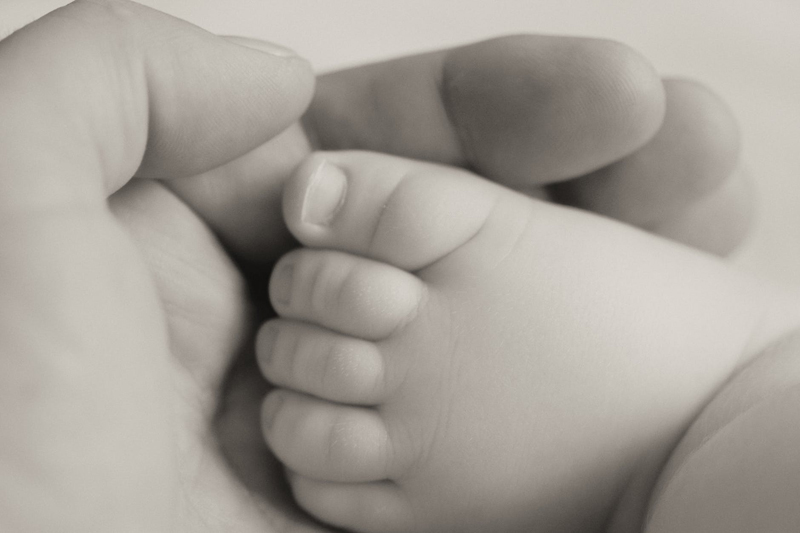
We all have issues with wanting to look better. I mean with all of the commercials we are bombarded with telling us our teeth are not white enough, we weigh to much, we aren’t sexy enough, how can we be happy with ourselves? Easy! Stop listening to others and listen to yourself.
No one is perfect, that’s a given. Still, I bet you have so many areas in your life that you are really good at. So next time you are feeling down because some number on a scale doesn’t match what you think it should be, think about these things instead.
1) Are you getting better at something? It doesn’t have to be a huge improvement it can be baby steps. Find one thing and pat yourself on the back for that forward movement. Some examples might be:
Eating more meals at home
Learning one new word this week
Walking 100 more steps today
Remembering to make a gratitude list
2) Think about a time when you were there for someone. Maybe your friend just need someone to listen to them or you took a meal to someone who was sick. Remember how good you felt? That had nothing to do with how you looked. It reflected how good you are as a human.
3) Have you tackled a major goal in life? Something that others said you couldn’t do? Was it scary to even try? Even if you didn’t accomplish all that you wanted, you are still amazing. It takes courage and faith to even attempt to follow your dreams. Give yourself credit for stepping out there and trying. So if you are feeling bad about your body, stop and find a new challenge and focus on that instead.
4) Connect with something larger than you. It could be God, nature or the universe. It doesn’t matter, just appreciate your place in the world. How your body looks is not the most important thing about you. Give thanks for being alive. Rejoice in whatever health you have and know that we are all connected.
Next time you think you need to change to meet some social standard, stop! Remember what is truly important about who you are. Think about all the good you bring to this world. Celebrate all the challenges you have met in life and have overcome. Reach out to others who may need to simply hear a kind word today and know that you are enough, just as you are. Then, when you can see how incredible you are, then you can change, but only if it is for you and no one else.
No one is perfect, that’s a given. Still, I bet you have so many areas in your life that you are really good at. So next time you are feeling down because some number on a scale doesn’t match what you think it should be, think about these things instead.
1) Are you getting better at something? It doesn’t have to be a huge improvement it can be baby steps. Find one thing and pat yourself on the back for that forward movement. Some examples might be:
Eating more meals at home
Learning one new word this week
Walking 100 more steps today
Remembering to make a gratitude list
2) Think about a time when you were there for someone. Maybe your friend just need someone to listen to them or you took a meal to someone who was sick. Remember how good you felt? That had nothing to do with how you looked. It reflected how good you are as a human.
3) Have you tackled a major goal in life? Something that others said you couldn’t do? Was it scary to even try? Even if you didn’t accomplish all that you wanted, you are still amazing. It takes courage and faith to even attempt to follow your dreams. Give yourself credit for stepping out there and trying. So if you are feeling bad about your body, stop and find a new challenge and focus on that instead.
4) Connect with something larger than you. It could be God, nature or the universe. It doesn’t matter, just appreciate your place in the world. How your body looks is not the most important thing about you. Give thanks for being alive. Rejoice in whatever health you have and know that we are all connected.
Next time you think you need to change to meet some social standard, stop! Remember what is truly important about who you are. Think about all the good you bring to this world. Celebrate all the challenges you have met in life and have overcome. Reach out to others who may need to simply hear a kind word today and know that you are enough, just as you are. Then, when you can see how incredible you are, then you can change, but only if it is for you and no one else.

Related Articles
Editor's Picks Articles
Top Ten Articles
Previous Features
Site Map
Content copyright © 2023 by Nadine Shores. All rights reserved.
This content was written by Nadine Shores. If you wish to use this content in any manner, you need written permission. Contact Nadine Shores for details.