Simple Ways to Improve Your Holistic Lifestyle
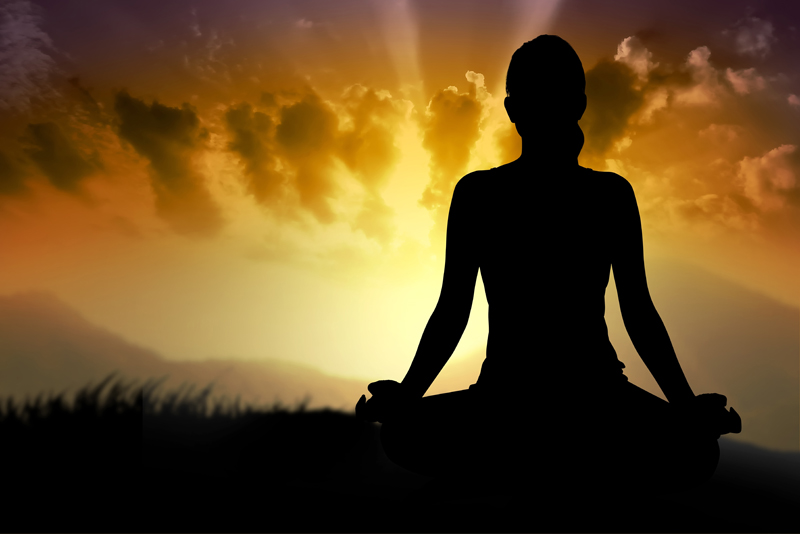
Finding new ways of going holistic can be a little daunting, here are some of my favorite ways to increase health and your sense of wellbeing.
Spiritual journal writing is something I myself, have just started. I am not one to sit and write. However, I have found that in the last three weeks it has greatly helped me in dealing with issues I might have stressed over. Writing down what has happened that day and reflecting back on how you could have handled things differently and for the better, you may be surprised at what comes to mind.
Less TV goes without saying. Instead of sitting down in front of the boob tube, try quietly meditating to relieve the tension of the day. Coming home from a bad or stressful day at work and then watching TV, especially TV that has more anxiety can make it difficult to sleep at night. One thing you can do instead is to create your own movie with visualization. Visualize yourself in a forest or green field walking along a stream and enjoying the calm. This will also prepare you for a restful night’s sleep. Another great way to wind down is to read. Reading will take you to new places and far away adventures. So, turn off the TV and enjoy your own imagination.
Donating your time is a great way to give you a sense of peace and appreciation. The giving of yourself can be a great benefit to your health. Some ideas for this are your local animal shelter or a soup kitchen. I also find that offering your time to babysit for a couple while they have a night out can be very rewarding.
Cooking more at home is not only healthy for the body but it brings the family together. Take time out each week for a family meal to talk and share some good time together. Making happy memories is good for everyone, including your health.
Music can be uplifting or calming. If you are feeling tired, or if you are dreading that next task, don’t fret, put on some good music and get it done. When I have a chore to do that I have been putting off I put on some good music with an uplifting beat and away I go. Music calms the nerves and soothes the mind. It is also good for baby when they are having trouble sleeping.
Laughing more is one of the best things to stay healthy. I know this may be hard to believe but it is true. As Americans I feel we don’t laugh enough, we take things too seriously. The more you laugh the more stress free your life will be.
Fresh Flowers can brighten a room and your mood. Keeping living things around you reminds that we are all connected through spirit. Fresh flowers are a simple way to enjoy nature in tight living arrangements.
Giving thanks to all that we have helps us to appreciate life. Happiness is not in the things we own but is found within us. This is a great lesson for you children, to appreciate what we have not what we desire.
Prayer is by far one of the best things you can do for your health. Connecting to the Creator reminds us of who we are, and how important life is. Take a walk in nature while you spend your time in prayer. I try to do this once a week even if it is just for a few minutes. You will be amazed at how this can help you.
Spiritual journal writing is something I myself, have just started. I am not one to sit and write. However, I have found that in the last three weeks it has greatly helped me in dealing with issues I might have stressed over. Writing down what has happened that day and reflecting back on how you could have handled things differently and for the better, you may be surprised at what comes to mind.
Less TV goes without saying. Instead of sitting down in front of the boob tube, try quietly meditating to relieve the tension of the day. Coming home from a bad or stressful day at work and then watching TV, especially TV that has more anxiety can make it difficult to sleep at night. One thing you can do instead is to create your own movie with visualization. Visualize yourself in a forest or green field walking along a stream and enjoying the calm. This will also prepare you for a restful night’s sleep. Another great way to wind down is to read. Reading will take you to new places and far away adventures. So, turn off the TV and enjoy your own imagination.
Donating your time is a great way to give you a sense of peace and appreciation. The giving of yourself can be a great benefit to your health. Some ideas for this are your local animal shelter or a soup kitchen. I also find that offering your time to babysit for a couple while they have a night out can be very rewarding.
Cooking more at home is not only healthy for the body but it brings the family together. Take time out each week for a family meal to talk and share some good time together. Making happy memories is good for everyone, including your health.
Music can be uplifting or calming. If you are feeling tired, or if you are dreading that next task, don’t fret, put on some good music and get it done. When I have a chore to do that I have been putting off I put on some good music with an uplifting beat and away I go. Music calms the nerves and soothes the mind. It is also good for baby when they are having trouble sleeping.
Laughing more is one of the best things to stay healthy. I know this may be hard to believe but it is true. As Americans I feel we don’t laugh enough, we take things too seriously. The more you laugh the more stress free your life will be.
Fresh Flowers can brighten a room and your mood. Keeping living things around you reminds that we are all connected through spirit. Fresh flowers are a simple way to enjoy nature in tight living arrangements.
Giving thanks to all that we have helps us to appreciate life. Happiness is not in the things we own but is found within us. This is a great lesson for you children, to appreciate what we have not what we desire.
Prayer is by far one of the best things you can do for your health. Connecting to the Creator reminds us of who we are, and how important life is. Take a walk in nature while you spend your time in prayer. I try to do this once a week even if it is just for a few minutes. You will be amazed at how this can help you.

Related Articles
Editor's Picks Articles
Top Ten Articles
Previous Features
Site Map
Content copyright © 2023 by Terry Lynn Kosse. All rights reserved.
This content was written by Terry Lynn Kosse. If you wish to use this content in any manner, you need written permission. Contact Teresa Post for details.