

End Aversive Restraints and Seclusion in School
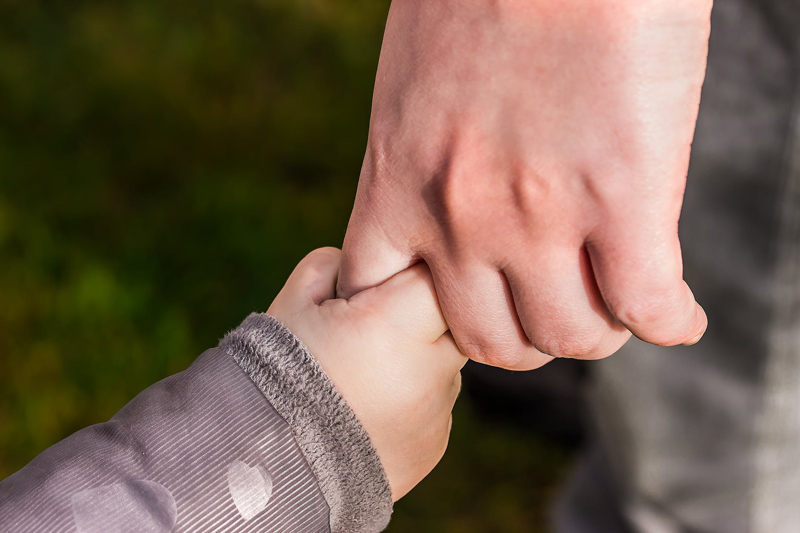
Children with developmental delays, learning disabilities, or other special needs, who qualify for special education services in our schools, may find that the use of "time out" or seclusion rooms and in some cases, physical restraints, are accepted methods to respond to what adults in charge identify as challenging behavior or misbehavior.
Parents may be unaware that what their child experiences in "time out" at school is very different from what they imagine. Those whose children are able to communicate may assume that their parents know and agree with what happens to them at school, or they may be embarrassed or depressed about the events and not report it.
Children who communicate mainly through their behavior may seem unusually quiet or withdrawn, anxious, angry or agitated. Without communication from classmates, siblings, or adults at school, parents may assume their child is just tired, or reacting to something at home that triggers the puzzling or challenging behavior.
Adults with autism have reported that they experienced Applied Behavioral Analysis (ABA) during childhood and teen years as abuse. Both parents and teacher may lack the perspective to rescue a student who has been subjected to results-oriented behavior modification that benefits only adults in charge.
Parent volunteers and school staff are often forbidden to talk to parents of children subjected to seclusion or restraints at school due to student privacy laws. In many cases, school staff does not have to report the use of seclusion or physical restraints to the student's family, or log the incidence in school records. It is important to ask school administrators, teachers and others who work with your child at school whether they use "time-out" areas or have ever needed to physically restrain a student, and what methods are used.
Parents who volunteer in schools or who attend parent conferences may express interest in seeing the 'time out' room at their child's school only to find that it is off-limits. This should send up a red flag that these issues need to be clarified and the facilities viewed.
Although evidence of serious negative effects of seclusion and use of restraints has been reported in research studies for a decade or more, where their use could be described as "appropriate" and no positive effects have been noted, some educators and administrators cling to the belief that both are necessary and useful in educational settings for children. Even professionals who accept the conclusions of the research often choose to reduce rather than eliminate those options.
School staff who rely on seclusion or restraint may not have learned effective and often simple methods of defusing situations and power struggles, re-directing or calming children. Use of restraint or seclusion is inhumane as well as counterproductive in improving behavior and socialization of students, and sends the wrong message to their mainstream peers about the value and humanity of individuals with disabilities.
Some states do not define terms like 'seclusion' or 'restraint' in regulations or guidelines, and individual schools or whole districts may have policies that are very disturbing to parents and advocates.
As recently as 2006, "aversive interventions" including unsupervised periods spent in locked "time-out" rooms and even electric shock were approved for New York schools as behavior plan consequences for children with disabilities.
When my son was a toddler, I was horrified to hear an administrator say that the American Psychological Association had issued a statement against using devices that could only be described as small electric cattle prods - except for individuals with developmental disabilities, because they were found to be 'effective' in 'that population.' I really thought we had come further than that by then.
Those who believe that their children have been injured or traumatized by the use of seclusion or restraints have found too often that they have no power to investigate their school's policies or their child's experiences at school. Unless there is a series of complaints or evidence of physical or emotional damage, other parents may be unaware that negative incidents that have involved their child are frequent or escalating.
Often, these traumatic events lead to the natural consequences of a dual diagnosis with mental health issues. These would be better off prevented rather than having to commit greater resources to treating them throughout an individual's life span. Some children already face mental health issues and this treatment creates more complicated problems for them. Our children are also more likely to be subjected to medications that serve as physical restraints during childhood, adolescence and their adult lives.
We cannot allow our sons and daughters to be subjected to seclusion and restraint in their schools. These are the same treatments that have been found to be inappropriate and ineffective even for adult criminals in prisons, also resulting in greater mental health issues and fewer coping strategies in that population. Wherever possible, we want to reduce the risk that our children will carry mental health issues related to aversive experiences into adulthood.
Our strongest advocacy organizations have issued statements condemning the use of aversive interventions, especially for people who rely on behavior to communicate; we must join them in championing civil rights and human rights for people with developmental disabilities and a culture of safety, respect and dignity at school.
Browse at your local bookstore, public library or online retailer for books about Positive Behavioral Supports and Interventions at school, including 'How to Reach and Teach Children with Challenging Behavior (K-8): Practical, Ready-to-Use Interventions That Work' .
.
Read hearing notes from the committee: Examining the abusive and deadly use of seclusion and restraint in schools: hearing before the Committee on Education and Labor by United States Congress House (Paperback - Oct 5, 2011).
We’re reaching out to members of the U.S. Senate to support S 2036 – known as the Keeping All Students Safe Act.
https://stophurtingkids.com/take-action/contact-congress/
Here are important resources available at no charge:
Abuse, Restraints and Seclusion in School
Use of Restraints as Discipline; Physical & Sexual Abuse; Time Out/Seclusion; Positive Behavior Support (PBS); Protection & Advocacy; Resources; Publications; Cases
https://www.wrightslaw.com/info/abuse.index.htm
March 2012: School is Not Supposed to Hurt
The U.S. Department of Education Must Do More to Protect School Children from Restraint and Seclusion
https://www.ndrn.org/images/Documents/Resources/Publications/Reports/School_is_Not_Supposed_to_Hurt_3_v7.pdf
-------
Fresno special ed student ‘caged’ in class, claims say
https://www.fresnobee.com/2014/11/07/4223860_fresno-special-ed-student-caged.html
Violent and Legal: The Shocking Ways School Kids are Being Pinned Down, Isolated Against Their Will
https://www.propublica.org/article/schools-restraints-seclusions
Help ProPublica Investigate Forcible Restraint in Public Schools:
Do You Know a Child Who’s Been Forcibly Restrained at School?
https://www.propublica.org/getinvolved/item/do-you-know-a-child-whos-been-forcibly-restrained-by-a-teacher-or-educator
Can Schools in Your State Pin Kids Down? Probably.
https://projects.propublica.org/graphics/mapping-state-policies-on-student-restraint
Washoe school district says no more 'scream rooms' (3 pages)
https://www.rgj.com/article/20131117/NEWS02/311170048/Washoe-school-district-says-no-more-scream-rooms-
Please sign and then share this link with other advocates for children:
Close Illegal Seclusion Cells in Schools
https://www.petitionbuzz.com/petitions/stopillegalseclusion
Lawmakers take up issue of school isolation rooms
Lawmakers take up issue of school isolation rooms
https://www.komonews.com/news/local/Lawmakers-take-up-controversial-issue-of-school-isolation-rooms-192393111.html
Emma's Hope Book - Our Journey with Autism
At What Point Do Our Actions Constitute Torture?
https://emmashopebook.com/2012/09/10/at-what-point-do-our-actions-constitute-torture/
Experts Call 'Scream Rooms' Untherapeutic, Harmful To Children And Others At School https://www.courant.com/health/connecticut/hc-scream-rooms-0115-20120114,0,3881596,full.story
Students Traumatized in Special Education Across America, Seclusion, Restraint, and Aversives
https://my.psychologytoday.com/blog/autism-in-real-life/201201/students-traumatized-in-special-education-across-america-seclusion-r
CNN - Children forced into cell-like school seclusion rooms
https://www.cnn.com/2008/US/12/17/seclusion.rooms/index.html?iref=hpmostpop
P&A Authority to investigate Abuse and Neglect in Schools
https://www.disabilityrights.org/1006.htm
Autism Shock Therapy Is Torture, Says UN Official - Forbes
https://onforb.es/Y1kas1
Seclusion and Restraint
Seclusion and Restraint
https://prsm.tc/H8TVDS
Using Behavior as Communication
https://www.bellaonline.com/articles/art32521.asp
Behavior as a Medical Symptom
https://www.bellaonline.com/articles/art56382.asp
Parenting Challenges: Behavior and Inclusion
https://www.bellaonline.com/articles/art32508.asp
Voices of Disability: Proper training needed for those working with disabled
https://www.theoaklandpress.com/articles/2013/06/30/news/local_news/doc51ccc0c9b1624519198686.txt?viewmode=fullstory
Shining a Spotlight on the Dark Side of Communication Disorders
https://speakingofspeech.blog.com/2013/08/24/shining-a-spotlight-on-the-dark-side-of-communication-disorders/
The Truth About Charter Schools https://www.salon.com/2014/01/10/the_truth_about_charter_schools_padded_cells_corruption_lousy_instruction_and_worse_results/
Parents may be unaware that what their child experiences in "time out" at school is very different from what they imagine. Those whose children are able to communicate may assume that their parents know and agree with what happens to them at school, or they may be embarrassed or depressed about the events and not report it.
Children who communicate mainly through their behavior may seem unusually quiet or withdrawn, anxious, angry or agitated. Without communication from classmates, siblings, or adults at school, parents may assume their child is just tired, or reacting to something at home that triggers the puzzling or challenging behavior.
Adults with autism have reported that they experienced Applied Behavioral Analysis (ABA) during childhood and teen years as abuse. Both parents and teacher may lack the perspective to rescue a student who has been subjected to results-oriented behavior modification that benefits only adults in charge.
Parent volunteers and school staff are often forbidden to talk to parents of children subjected to seclusion or restraints at school due to student privacy laws. In many cases, school staff does not have to report the use of seclusion or physical restraints to the student's family, or log the incidence in school records. It is important to ask school administrators, teachers and others who work with your child at school whether they use "time-out" areas or have ever needed to physically restrain a student, and what methods are used.
Parents who volunteer in schools or who attend parent conferences may express interest in seeing the 'time out' room at their child's school only to find that it is off-limits. This should send up a red flag that these issues need to be clarified and the facilities viewed.
Although evidence of serious negative effects of seclusion and use of restraints has been reported in research studies for a decade or more, where their use could be described as "appropriate" and no positive effects have been noted, some educators and administrators cling to the belief that both are necessary and useful in educational settings for children. Even professionals who accept the conclusions of the research often choose to reduce rather than eliminate those options.
School staff who rely on seclusion or restraint may not have learned effective and often simple methods of defusing situations and power struggles, re-directing or calming children. Use of restraint or seclusion is inhumane as well as counterproductive in improving behavior and socialization of students, and sends the wrong message to their mainstream peers about the value and humanity of individuals with disabilities.
Some states do not define terms like 'seclusion' or 'restraint' in regulations or guidelines, and individual schools or whole districts may have policies that are very disturbing to parents and advocates.
As recently as 2006, "aversive interventions" including unsupervised periods spent in locked "time-out" rooms and even electric shock were approved for New York schools as behavior plan consequences for children with disabilities.
When my son was a toddler, I was horrified to hear an administrator say that the American Psychological Association had issued a statement against using devices that could only be described as small electric cattle prods - except for individuals with developmental disabilities, because they were found to be 'effective' in 'that population.' I really thought we had come further than that by then.
Those who believe that their children have been injured or traumatized by the use of seclusion or restraints have found too often that they have no power to investigate their school's policies or their child's experiences at school. Unless there is a series of complaints or evidence of physical or emotional damage, other parents may be unaware that negative incidents that have involved their child are frequent or escalating.
Often, these traumatic events lead to the natural consequences of a dual diagnosis with mental health issues. These would be better off prevented rather than having to commit greater resources to treating them throughout an individual's life span. Some children already face mental health issues and this treatment creates more complicated problems for them. Our children are also more likely to be subjected to medications that serve as physical restraints during childhood, adolescence and their adult lives.
We cannot allow our sons and daughters to be subjected to seclusion and restraint in their schools. These are the same treatments that have been found to be inappropriate and ineffective even for adult criminals in prisons, also resulting in greater mental health issues and fewer coping strategies in that population. Wherever possible, we want to reduce the risk that our children will carry mental health issues related to aversive experiences into adulthood.
Our strongest advocacy organizations have issued statements condemning the use of aversive interventions, especially for people who rely on behavior to communicate; we must join them in championing civil rights and human rights for people with developmental disabilities and a culture of safety, respect and dignity at school.
Browse at your local bookstore, public library or online retailer for books about Positive Behavioral Supports and Interventions at school, including 'How to Reach and Teach Children with Challenging Behavior (K-8): Practical, Ready-to-Use Interventions That Work'
.Read hearing notes from the committee: Examining the abusive and deadly use of seclusion and restraint in schools: hearing before the Committee on Education and Labor by United States Congress House (Paperback - Oct 5, 2011)
.We’re reaching out to members of the U.S. Senate to support S 2036 – known as the Keeping All Students Safe Act.
https://stophurtingkids.com/take-action/contact-congress/
Here are important resources available at no charge:
Abuse, Restraints and Seclusion in School
Use of Restraints as Discipline; Physical & Sexual Abuse; Time Out/Seclusion; Positive Behavior Support (PBS); Protection & Advocacy; Resources; Publications; Cases
https://www.wrightslaw.com/info/abuse.index.htm
March 2012: School is Not Supposed to Hurt
The U.S. Department of Education Must Do More to Protect School Children from Restraint and Seclusion
https://www.ndrn.org/images/Documents/Resources/Publications/Reports/School_is_Not_Supposed_to_Hurt_3_v7.pdf
-------
Fresno special ed student ‘caged’ in class, claims say
https://www.fresnobee.com/2014/11/07/4223860_fresno-special-ed-student-caged.html
Violent and Legal: The Shocking Ways School Kids are Being Pinned Down, Isolated Against Their Will
https://www.propublica.org/article/schools-restraints-seclusions
Help ProPublica Investigate Forcible Restraint in Public Schools:
Do You Know a Child Who’s Been Forcibly Restrained at School?
https://www.propublica.org/getinvolved/item/do-you-know-a-child-whos-been-forcibly-restrained-by-a-teacher-or-educator
Can Schools in Your State Pin Kids Down? Probably.
https://projects.propublica.org/graphics/mapping-state-policies-on-student-restraint
Washoe school district says no more 'scream rooms' (3 pages)
https://www.rgj.com/article/20131117/NEWS02/311170048/Washoe-school-district-says-no-more-scream-rooms-
Please sign and then share this link with other advocates for children:
Close Illegal Seclusion Cells in Schools
https://www.petitionbuzz.com/petitions/stopillegalseclusion
Lawmakers take up issue of school isolation rooms
Lawmakers take up issue of school isolation rooms
https://www.komonews.com/news/local/Lawmakers-take-up-controversial-issue-of-school-isolation-rooms-192393111.html
Emma's Hope Book - Our Journey with Autism
At What Point Do Our Actions Constitute Torture?
https://emmashopebook.com/2012/09/10/at-what-point-do-our-actions-constitute-torture/
Experts Call 'Scream Rooms' Untherapeutic, Harmful To Children And Others At School https://www.courant.com/health/connecticut/hc-scream-rooms-0115-20120114,0,3881596,full.story
Students Traumatized in Special Education Across America, Seclusion, Restraint, and Aversives
https://my.psychologytoday.com/blog/autism-in-real-life/201201/students-traumatized-in-special-education-across-america-seclusion-r
CNN - Children forced into cell-like school seclusion rooms
https://www.cnn.com/2008/US/12/17/seclusion.rooms/index.html?iref=hpmostpop
P&A Authority to investigate Abuse and Neglect in Schools
https://www.disabilityrights.org/1006.htm
Autism Shock Therapy Is Torture, Says UN Official - Forbes
https://onforb.es/Y1kas1
Seclusion and Restraint
Seclusion and Restraint
https://prsm.tc/H8TVDS
Using Behavior as Communication
https://www.bellaonline.com/articles/art32521.asp
Behavior as a Medical Symptom
https://www.bellaonline.com/articles/art56382.asp
Parenting Challenges: Behavior and Inclusion
https://www.bellaonline.com/articles/art32508.asp
Voices of Disability: Proper training needed for those working with disabled
https://www.theoaklandpress.com/articles/2013/06/30/news/local_news/doc51ccc0c9b1624519198686.txt?viewmode=fullstory
Shining a Spotlight on the Dark Side of Communication Disorders
https://speakingofspeech.blog.com/2013/08/24/shining-a-spotlight-on-the-dark-side-of-communication-disorders/
The Truth About Charter Schools https://www.salon.com/2014/01/10/the_truth_about_charter_schools_padded_cells_corruption_lousy_instruction_and_worse_results/
You Should Also Read:
Positive Behavior Support and Interventions - PBIS
Person Centered Planning
DIR Floortime Model Techniques

Related Articles
Editor's Picks Articles
Top Ten Articles
Previous Features
Site Map
Follow @DownSynAdvocacy
Tweet
Content copyright © 2023 by Pamela Wilson. All rights reserved.
This content was written by Pamela Wilson. If you wish to use this content in any manner, you need written permission. Contact Pamela Wilson for details.
