

Peer Mentoring Programs and Childhood Disability
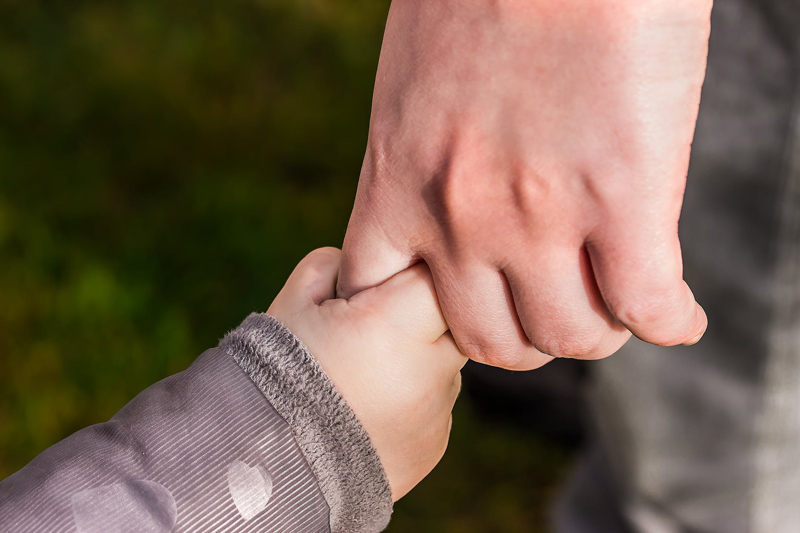
Peer mentoring and buddy programs for students with physical and developmental disabilities, chronic health conditions or other challenges have been shown to benefit the social-cognitive growth of their mainstream peers as well as establishing long lasting relationships and improving academic achievement for both groups.
Early experience with classmates who represent the diversity of our communities leads to greater understanding of access issues due to mobility challenges; the critical importance of good health habits and emergency support for individuals with asthma, diabetes, or other conditions; and specific information about behavior and communication among their peers with developmental disabilities.
Many school districts have initiated peer mentoring and tutoring programs for mainstream students without including students who qualify for an IEP or 504 plan. Students with significant disabilities are most often excluded from these opportunities because teachers, administrators and parents lack experience or knowledge of successful programs and underestimate the benefit to the students involved.
While parents of students who qualify for special education services often seek these programs to help establish friendships and create opportunities for social interaction for their sons and daughters, a striking side benefit is the motivation and incidental learning that takes place in academic as well as greater self confidence, interest and involvement in extracurricular activities and community events.
Parents of mainstream students who urge their children to participate in peer buddy or mentoring programs may hope these experiences lead to a greater understanding of diversity and tolerance of differences, and are gratified to discover a tremendous growth in maturity and leadership. Often, typically developing students who are struggling academically or socially will make great strides in study skills and learning, and will successfully apply the friendship skills they practice in the peer buddy program and act as role models for other students.
Educators and families may underestimate the lonliness and isolation that many of our mainstream students experience throughout their educational lives. Peer buddy and mentoring programs allow students to make connections with one another as well as the individuals who become their buddies. Learning to relate in authentic ways, enjoying social events and outings that are set up for the enjoyment of all participants, and taking time to consider what constitutes friendship and loyalty are all benefits to peer buddy and mentoring programs that include students with developmental disabilities or other special needs.
A great deal of information about creating peer buddy or mentoring programs is available through organizations campaigning against bullying and deliquency in our schools, and from advocacy organizations for children with physical or developmental disabilities or chronic health conditions. Existing opportunities in our public schools can be expanded to include students who qualify for IEPs or 504 plans, and new ones can be started using guidelines suggesting the best practices of successful, well-established programs.
Our children's classmates are likely to be their co-workers, neighbors, and employers (or employees!) during their adult years, so the friendships and other benefits of peer buddy and mentoring programs may extend well into the future. It is no secret that students with disabilities are great peer mentors themselves.
Browse at local bookstores, your local public library or online retailers for titles like: Peer Buddy Programs for Successful Secondary School Inclusion, and and other books on peer mentoring
 or titles like My Friend Has Down Syndrome (Let's Talk About It)
Best Buddies International
https://www.bestbuddies.org/best-buddies
Just Like You - Down Syndrome
https://www.youtube.com/watch?v=5M--xOyGUX4
Austin Igo and Madeline Braley
https://ow.ly/eOGfQ
Pair with Down syndrome crowned as Plano West's homecoming king and queen | Dallas-Fort Worth
https://www.dallasnews.com/news/community-news/plano/headlines/20121026-pair-with-down-syndrome-crowned-as-plano-west-s-homecoming-king-and-queen.ece
Assigned Friends Outcome - Judy Endow
https://ollibean.com/2014/02/05/assigned-friends-outcome/
History of ADAPT's founder Wade Blank
https://www.tripil.com/main/newsviews/phil/wblankhistory
NASC Peer Buddy
https://www.naspecialconnections.org/html/nasc_-_peer_buddy.html
Metropolitan Nashville Peer Buddy Program
https://www.ed.uiuc.edu/sped/tri/peerbuddy.htm
PatriciaEBauer.com links:
Given chance to help others, Elsinore High Peer Buddies blossom
https://www.pe.com/localnews/inland/stories/PE_News_Local_S_special19.803d2c.html
TEMECULA: Local teacher earns regional honor
By Amy Bentley - For The Californian
https://www.nctimes.com/articles/2009/01/04/news/californian/temecula/z962efedc1e7a70ad882575210076d47e.txt
Peer Tutoring for Special Education Students
https://www.associatedcontent.com/article/910855/peer_tutoring_for_special_education.html?cat=4
Don't miss Robert Pio Hajjar's opening speech at the Best Buddies Regional Conference 2009 in Hamilton, Ontario
https://www.youtube.com/watch?v=ROWbyKVLYr8
Learn more about Robert Pio Hajjar,
Founding Director of IDEAL-WAY.ca
https://ideal-way.ca/Ideal/AWordFromRob.aspx
Disability Awareness Resources at the Family Village website:
https://www.familyvillage.wisc.edu/General/Disability-awareness.html
https://www.familyvillage.wisc.edu/general/advoca.htm
https://www.familyvillage.wisc.edu/multicultural/Asian.htm
https://www.familyvillage.wisc.edu/multicultural/Asian.htm
Non English Resources
https://www.familyvillage.wisc.edu/culture/non-en.html
PEER TUTORING AND SOCIAL BEHAVIORS: A REVIEW
https://www.internationaljournalofspecialeducation.com/articles.cfm?y=2001&v=16&n=2
Melissa Riggio Made a Difference
https://www.bellaonline.com/articles/art56423.asp
Early experience with classmates who represent the diversity of our communities leads to greater understanding of access issues due to mobility challenges; the critical importance of good health habits and emergency support for individuals with asthma, diabetes, or other conditions; and specific information about behavior and communication among their peers with developmental disabilities.
Many school districts have initiated peer mentoring and tutoring programs for mainstream students without including students who qualify for an IEP or 504 plan. Students with significant disabilities are most often excluded from these opportunities because teachers, administrators and parents lack experience or knowledge of successful programs and underestimate the benefit to the students involved.
While parents of students who qualify for special education services often seek these programs to help establish friendships and create opportunities for social interaction for their sons and daughters, a striking side benefit is the motivation and incidental learning that takes place in academic as well as greater self confidence, interest and involvement in extracurricular activities and community events.
Parents of mainstream students who urge their children to participate in peer buddy or mentoring programs may hope these experiences lead to a greater understanding of diversity and tolerance of differences, and are gratified to discover a tremendous growth in maturity and leadership. Often, typically developing students who are struggling academically or socially will make great strides in study skills and learning, and will successfully apply the friendship skills they practice in the peer buddy program and act as role models for other students.
Educators and families may underestimate the lonliness and isolation that many of our mainstream students experience throughout their educational lives. Peer buddy and mentoring programs allow students to make connections with one another as well as the individuals who become their buddies. Learning to relate in authentic ways, enjoying social events and outings that are set up for the enjoyment of all participants, and taking time to consider what constitutes friendship and loyalty are all benefits to peer buddy and mentoring programs that include students with developmental disabilities or other special needs.
A great deal of information about creating peer buddy or mentoring programs is available through organizations campaigning against bullying and deliquency in our schools, and from advocacy organizations for children with physical or developmental disabilities or chronic health conditions. Existing opportunities in our public schools can be expanded to include students who qualify for IEPs or 504 plans, and new ones can be started using guidelines suggesting the best practices of successful, well-established programs.
Our children's classmates are likely to be their co-workers, neighbors, and employers (or employees!) during their adult years, so the friendships and other benefits of peer buddy and mentoring programs may extend well into the future. It is no secret that students with disabilities are great peer mentors themselves.
Browse at local bookstores, your local public library or online retailers for titles like: Peer Buddy Programs for Successful Secondary School Inclusion, and
and other books on peer mentoring or titles like My Friend Has Down Syndrome (Let's Talk About It) Best Buddies International
https://www.bestbuddies.org/best-buddies
Just Like You - Down Syndrome
https://www.youtube.com/watch?v=5M--xOyGUX4
Austin Igo and Madeline Braley
https://ow.ly/eOGfQ
Pair with Down syndrome crowned as Plano West's homecoming king and queen | Dallas-Fort Worth
https://www.dallasnews.com/news/community-news/plano/headlines/20121026-pair-with-down-syndrome-crowned-as-plano-west-s-homecoming-king-and-queen.ece
Assigned Friends Outcome - Judy Endow
https://ollibean.com/2014/02/05/assigned-friends-outcome/
History of ADAPT's founder Wade Blank
https://www.tripil.com/main/newsviews/phil/wblankhistory
NASC Peer Buddy
https://www.naspecialconnections.org/html/nasc_-_peer_buddy.html
Metropolitan Nashville Peer Buddy Program
https://www.ed.uiuc.edu/sped/tri/peerbuddy.htm
PatriciaEBauer.com links:
Given chance to help others, Elsinore High Peer Buddies blossom
https://www.pe.com/localnews/inland/stories/PE_News_Local_S_special19.803d2c.html
TEMECULA: Local teacher earns regional honor
By Amy Bentley - For The Californian
https://www.nctimes.com/articles/2009/01/04/news/californian/temecula/z962efedc1e7a70ad882575210076d47e.txt
Peer Tutoring for Special Education Students
https://www.associatedcontent.com/article/910855/peer_tutoring_for_special_education.html?cat=4
Don't miss Robert Pio Hajjar's opening speech at the Best Buddies Regional Conference 2009 in Hamilton, Ontario
https://www.youtube.com/watch?v=ROWbyKVLYr8
Learn more about Robert Pio Hajjar,
Founding Director of IDEAL-WAY.ca
https://ideal-way.ca/Ideal/AWordFromRob.aspx
Disability Awareness Resources at the Family Village website:
https://www.familyvillage.wisc.edu/General/Disability-awareness.html
https://www.familyvillage.wisc.edu/general/advoca.htm
https://www.familyvillage.wisc.edu/multicultural/Asian.htm
https://www.familyvillage.wisc.edu/multicultural/Asian.htm
Non English Resources
https://www.familyvillage.wisc.edu/culture/non-en.html
PEER TUTORING AND SOCIAL BEHAVIORS: A REVIEW
https://www.internationaljournalofspecialeducation.com/articles.cfm?y=2001&v=16&n=2
Melissa Riggio Made a Difference
https://www.bellaonline.com/articles/art56423.asp
You Should Also Read:
Inclusion Benefits Classmates
Inclusive Education and the Culture of Down Syndrome
Inclusive PE and Childhood Disability

Related Articles
Editor's Picks Articles
Top Ten Articles
Previous Features
Site Map
Follow @DownSynAdvocacy
Tweet
Content copyright © 2023 by Pamela Wilson. All rights reserved.
This content was written by Pamela Wilson. If you wish to use this content in any manner, you need written permission. Contact Pamela Wilson for details.
