Chakra Bubble Exercise
The chakras are spinning wheels of energy running along the middle of the body. There are seven main chakras that influence your physical, emotional and spiritual being. Blocked or unbalanced chakras can cause problems for your body and your mind. Keeping these chakras balanced is important to maintaining health and wellness.
There are many different exercises and techniques that you can use to heal and balance the chakras. A simple internet search can lead you to may techniques that are effective. The chakra bubble exercise is one that started using and I enjoy it. I feel better and more balanced after I am finished. I hope you enjoy.
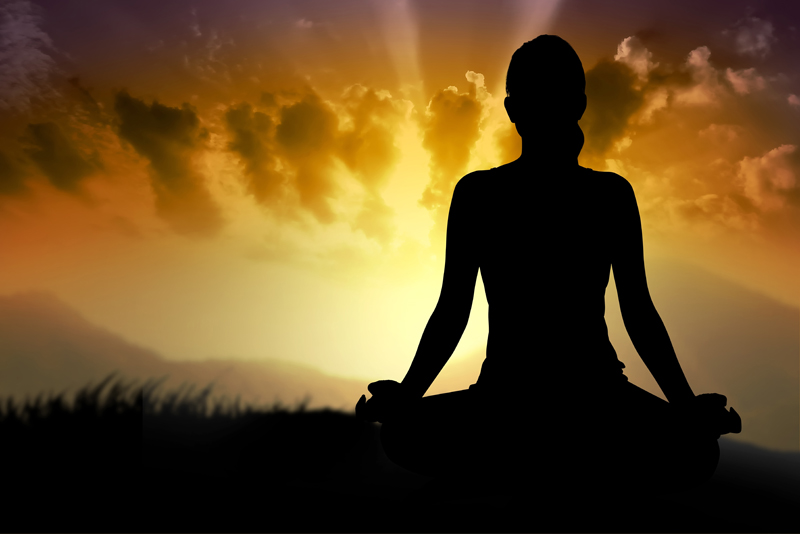
Start by sitting in a comfortable position with your back straight or you can lie down. If you meditate you can use the same position. Take a few deep breaths and relax. You can focus on your breathing, meditate or ground. Do what feels right to you.
1. Start with the root chakra which is located right under your tailbone. Picture a ball of red light. This ball is rotating clockwise. Imagine a red bubble coming out of the ball of light. This red bubble expands until you are sitting in the middle of this bubble. You can see red light surrounding you. Feel the red light strengthening your foundation, your roots. Feel it giving you the strength to accomplish what you wish. When you are done see and feel the bubble shrink back into the ball. You will do this with each of the seven chakras.
2. Now move on to the sacral chakra which is located in the pelvic area. See a ball of orange light rotating clockwise. Imagine an orange bubble coming out of the orange ball. See the bubble expand until it surrounds you. You can see the orange light surrounding you. Feel the orange light strengthening your creative energy and helping you create abundance. Feel strong, creative, and grateful.
3. The next chakra is the solar plexus which is located right above you belly button in your center. Picture a ball of yellow light. This ball is rotating clockwise. Imagine a yellow bubble coming out of the ball of light. This yellow bubble expands until you are sitting in the middle of the bubble. You can see yellow light surrounding you. Feel it bringing you in touch with your personal power and self-esteem. You are powerful being. You are strong, capable and worthy.
4. The heart chakra is next. It is located in the center of your chest. Picture a ball of green light. This ball is rotating clockwise. Imagine a green bubble coming out of the ball of light. This green bubble expands until you are sitting in the middle of this bubble. You can see green light surrounding you. Feel the green light fill you with love, compassion and empathy. Feel it healing you from the inside out.
5. The next one is the throat chakra which is located at your throat. Picture a ball of blue light. This ball is rotating clockwise. Imagine a blue bubble coming out of the ball of light. This blue bubble expands until you are sitting in the middle of the bubble. You can see blue light surrounding you. Feel the blue light helping you find you voice. Feel it enhancing your understanding and communication skills.
6. Next is the third eye which is located in the center of your forehead. . Picture a ball of indigo light. This ball is rotating clockwise. Imagine an indigo bubble coming out of the ball of light. This indigo bubble expands until you are sitting in the middle of the bubble. You can see indigo light surrounding you. Fell the indigo light strengthening your intuition. Feel it making you more aware of your gut feelings.
7. The crown chakra is located right above you head. Picture a ball of violet light. This ball is rotating clockwise. Imagine a violet bubble coming out of the ball of light. This violet bubble expands until you are sitting in the middle of the bubble. You can see violet light surrounding you. Feel it strengthening your connection to the divine. Feel it strengthening your spirit.
When you are done, you should feel either relaxed or energized. Just sit for few minutes and enjoy the feeling. Do more meditation or breathing exercises as you see fit. When doing the exercise you can feel the bubbles strengthening any aspect of the chakra that you want to work on. What I listed are suggestions but you can modify it to fit your needs.
If you have any questions, you can post them in the forum and I will answer them.
There are many different exercises and techniques that you can use to heal and balance the chakras. A simple internet search can lead you to may techniques that are effective. The chakra bubble exercise is one that started using and I enjoy it. I feel better and more balanced after I am finished. I hope you enjoy.
Start by sitting in a comfortable position with your back straight or you can lie down. If you meditate you can use the same position. Take a few deep breaths and relax. You can focus on your breathing, meditate or ground. Do what feels right to you.
1. Start with the root chakra which is located right under your tailbone. Picture a ball of red light. This ball is rotating clockwise. Imagine a red bubble coming out of the ball of light. This red bubble expands until you are sitting in the middle of this bubble. You can see red light surrounding you. Feel the red light strengthening your foundation, your roots. Feel it giving you the strength to accomplish what you wish. When you are done see and feel the bubble shrink back into the ball. You will do this with each of the seven chakras.
2. Now move on to the sacral chakra which is located in the pelvic area. See a ball of orange light rotating clockwise. Imagine an orange bubble coming out of the orange ball. See the bubble expand until it surrounds you. You can see the orange light surrounding you. Feel the orange light strengthening your creative energy and helping you create abundance. Feel strong, creative, and grateful.
3. The next chakra is the solar plexus which is located right above you belly button in your center. Picture a ball of yellow light. This ball is rotating clockwise. Imagine a yellow bubble coming out of the ball of light. This yellow bubble expands until you are sitting in the middle of the bubble. You can see yellow light surrounding you. Feel it bringing you in touch with your personal power and self-esteem. You are powerful being. You are strong, capable and worthy.
4. The heart chakra is next. It is located in the center of your chest. Picture a ball of green light. This ball is rotating clockwise. Imagine a green bubble coming out of the ball of light. This green bubble expands until you are sitting in the middle of this bubble. You can see green light surrounding you. Feel the green light fill you with love, compassion and empathy. Feel it healing you from the inside out.
5. The next one is the throat chakra which is located at your throat. Picture a ball of blue light. This ball is rotating clockwise. Imagine a blue bubble coming out of the ball of light. This blue bubble expands until you are sitting in the middle of the bubble. You can see blue light surrounding you. Feel the blue light helping you find you voice. Feel it enhancing your understanding and communication skills.
6. Next is the third eye which is located in the center of your forehead. . Picture a ball of indigo light. This ball is rotating clockwise. Imagine an indigo bubble coming out of the ball of light. This indigo bubble expands until you are sitting in the middle of the bubble. You can see indigo light surrounding you. Fell the indigo light strengthening your intuition. Feel it making you more aware of your gut feelings.
7. The crown chakra is located right above you head. Picture a ball of violet light. This ball is rotating clockwise. Imagine a violet bubble coming out of the ball of light. This violet bubble expands until you are sitting in the middle of the bubble. You can see violet light surrounding you. Feel it strengthening your connection to the divine. Feel it strengthening your spirit.
When you are done, you should feel either relaxed or energized. Just sit for few minutes and enjoy the feeling. Do more meditation or breathing exercises as you see fit. When doing the exercise you can feel the bubbles strengthening any aspect of the chakra that you want to work on. What I listed are suggestions but you can modify it to fit your needs.
If you have any questions, you can post them in the forum and I will answer them.
You Should Also Read:
Chakra Healing

Related Articles
Editor's Picks Articles
Top Ten Articles
Previous Features
Site Map
Content copyright © 2023 by Teresa Post. All rights reserved.
This content was written by Teresa Post. If you wish to use this content in any manner, you need written permission. Contact Teresa Post for details.