Introduction to the Chakras
For decades, scientists have studied the correlation between energy fields and matter. Carl Jung, the influential psychologist who spent much of his life exploring the connection between eastern metaphysics and the workings of the human brain, presented a paper on Kundalini yoga in 1932. In 1975, physicist Fritjof Capra published The Tao of Physics , which demonstrated links between that science and metaphysical belief. More recently, respected institutions such as Princeton University have shown that the human body is composed of more than discrete structures that work – or fail to work – on a mechanistic basis. In November 2013, Pradeep Deshpande, professor emeritus at the University of Kentucky at Louisville, together with a team of over 100 scientists, measured energy frequencies at various sites in the human body. This team was able to pinpoint differences at these points between healthy and sick people.
This is of course no surprise to the yoga community, which has long believed in the existence of energy centers, or chakras. While the ancient Vedic sages did not have the benefit of modern scientific equipment, they nonetheless recognized the energy currents that work in the human body, and described these energy centers using the metaphor of ‘wheels of light.’ There are many, many chakras in the human bodies, but Ayurvedic scholars realized that there are seven main centers, connected to different systems in the body that regulate consciousness, health, and vitality. While Ayurveda is not yoga, it is considered the ‘sister science’ related to Patanjali’s seven limbs, and many yogis and yoginis find that working with the chakras aids in their yoga practice, both on and off the mat.
Each chakra is connected to a body sense and an endocrine gland. The base chakra, called muladhara in Sanskrit, is located at the coccyx and works with the sense of smell and the testes or ovaries. Svadisthana , or the sacral chakra, works with taste and the adrenal glands. Manipura chakra is located at the solar plexus and connected to sight and the pancreas. The heart chakra, anahata , is associated with touch and the thymus gland. Vishuddha , the throat chakra, links to hearing and the thyroid and parathyroid glands. Between the eyes, ajna chakra contacts the pituitary gland and aids in extra-sensory perception. Finally, the crown chakra, or sahasrara , links all the senses through the pineal gland.
When chakras work properly, the endocrine system works at optimal efficiency. When a chakra is partially closed or hurt, the endocrine system is affected in the related area, which in term saps the body of vitality. If not corrected, these problems slide the body towards "dis-ease", of both the body and the mind. Thus, health is not simply the absence of illness; it is rather the amplification of health and well-being. Working with the chakras and the subtle body is therefore a way to mitigate illness or even prevent it entirely.
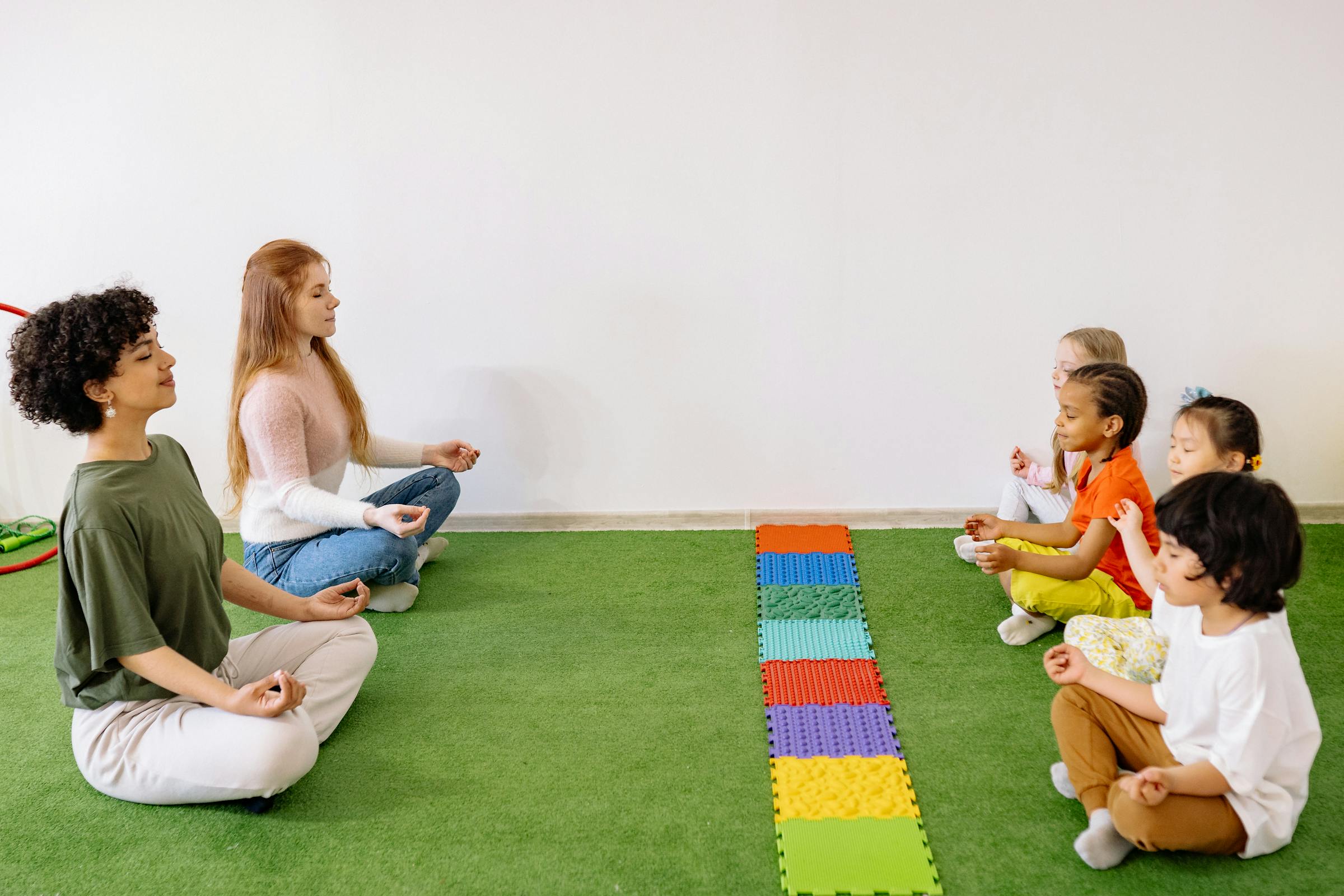
There are asanas associated with each chakra and different sequences that can be done to optimize the workings of each chakra. In addition, there are meditations that will help connect the yogi/ni with each energy center. A beginning step is always simple awareness. Sit quietly after yoga, with a straight back. Use the mind to scan the body. Focus on each of the chakra areas in turn and begin to notice what is happening at each place. This kind of meditation requires slowing down enough to really connect with subtle energy, a difficult task for the modern person. Yoga and the chakras are both best understood as traditions where being a human being – rather than a human doing – is the first step to a healthier, more enlightened life.
This is of course no surprise to the yoga community, which has long believed in the existence of energy centers, or chakras. While the ancient Vedic sages did not have the benefit of modern scientific equipment, they nonetheless recognized the energy currents that work in the human body, and described these energy centers using the metaphor of ‘wheels of light.’ There are many, many chakras in the human bodies, but Ayurvedic scholars realized that there are seven main centers, connected to different systems in the body that regulate consciousness, health, and vitality. While Ayurveda is not yoga, it is considered the ‘sister science’ related to Patanjali’s seven limbs, and many yogis and yoginis find that working with the chakras aids in their yoga practice, both on and off the mat.
Each chakra is connected to a body sense and an endocrine gland. The base chakra, called muladhara in Sanskrit, is located at the coccyx and works with the sense of smell and the testes or ovaries. Svadisthana , or the sacral chakra, works with taste and the adrenal glands. Manipura chakra is located at the solar plexus and connected to sight and the pancreas. The heart chakra, anahata , is associated with touch and the thymus gland. Vishuddha , the throat chakra, links to hearing and the thyroid and parathyroid glands. Between the eyes, ajna chakra contacts the pituitary gland and aids in extra-sensory perception. Finally, the crown chakra, or sahasrara , links all the senses through the pineal gland.
When chakras work properly, the endocrine system works at optimal efficiency. When a chakra is partially closed or hurt, the endocrine system is affected in the related area, which in term saps the body of vitality. If not corrected, these problems slide the body towards "dis-ease", of both the body and the mind. Thus, health is not simply the absence of illness; it is rather the amplification of health and well-being. Working with the chakras and the subtle body is therefore a way to mitigate illness or even prevent it entirely.
There are asanas associated with each chakra and different sequences that can be done to optimize the workings of each chakra. In addition, there are meditations that will help connect the yogi/ni with each energy center. A beginning step is always simple awareness. Sit quietly after yoga, with a straight back. Use the mind to scan the body. Focus on each of the chakra areas in turn and begin to notice what is happening at each place. This kind of meditation requires slowing down enough to really connect with subtle energy, a difficult task for the modern person. Yoga and the chakras are both best understood as traditions where being a human being – rather than a human doing – is the first step to a healthier, more enlightened life.

Related Articles
Editor's Picks Articles
Top Ten Articles
Previous Features
Site Map
Content copyright © 2023 by Korie Beth Brown. All rights reserved.
This content was written by Korie Beth Brown. If you wish to use this content in any manner, you need written permission. Contact Korie Beth Brown for details.